Alum Mario González, new headteacher at La Farga
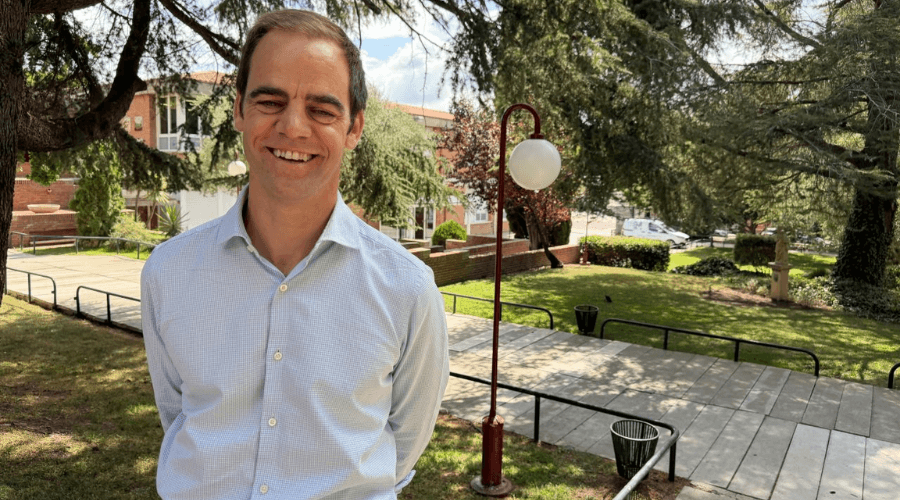
Holder of a degree in Primary Education from UIC (2004) and member of the Alumni Board, this year, Mario González has taken up the position of headteacher at Institució La Farga in Sant Cugat del Vallès. With a background in education, González takes on this new role with a commitment to continuing to promote personalised education, strengthening support for teachers and maintaining close relationships with families.
In this interview, he discusses the challenges he faces leading the school, his vision of education today and the lessons he carries with him from his time as a student at UIC. He also explains what it means to him to remain connected to the University as a member of the Alumni Board.
“A good school does more than prepare students to pass exams; it prepares them to face life with sound judgement, freedom and a sense of responsibility.”
This summer, you became headteacher at La Farga. What led you to take on this new professional challenge?
I took on this challenge because I’m passionate about education and family. I firmly believe in their ability to transform lives, and I’m thrilled to do what I can in this role to build a better society.
Having spent several years at La Farga, I understand the value of its educational project and the people who make it possible. Being headteacher means earning the trust of families who rely on us to help educate their children, while supporting a team of professionals who bring talent and commitment to their work every day. I approach this new role with enthusiasm, a strong sense of responsibility and, above all, a genuine desire to serve others.
What are the main challenges you hope to address in this new chapter?
At the heart of it all, I believe that progress comes from building on what we have inherited. I want to preserve the essence of La Farga: individual attention for every student and family, high academic standards, personal and Christian development and an education rooted in serving others.
Preserving this legacy means continuing to move forward: improving our teaching methods, providing better support for teachers and listening to families. The challenge lies in ensuring that these principles are reflected in everyone’s day-to-day experience. That every pupil feels seen and understood, that every family has someone they can turn to and that every teacher feels supported in their work.
Is there a particular project or area of work you would like to focus on in the coming years?
I would particularly like to promote a more personalised approach to education. We want to help every student reach their full potential. This means understanding their strengths, the challenges they face and what motivates them. By getting to know each student better, we can provide more effective support and ask questions that will help them grow.
This approach is closely linked to teacher training and support. If we want to improve education, we need to take care of the people who deliver it and create opportunities for them to share experiences and learn from one another.
I also want to strengthen our partnership with families, both in supporting their children and creating opportunities for them to learn and come together. Families and schools share a responsibility that requires trust, dialogue and continuity.
Before becoming headteacher at La Farga, you had built a career in education. Which experiences best prepared you for this role?
The best preparation came from my years in the classroom and the experience of working alongside other education professionals. Working closely with students and families teaches you to listen, understand different situations and tailor your response to each individual. And working with colleagues helps you broaden your perspective and reflect on your own approach.
Above all, I feel indebted to everyone I’ve had the privilege of working with over the years. They’ve shaped the way I view education, school life and service. Much of what has prepared me for this role comes from what I learned from them
Education is constantly evolving. What do you think are the main challenges facing schools today?
I think the biggest challenge is to prepare students for life in a changing world, without losing sight of our responsibility to educate the person as a whole. That means providing a solid knowledge base while fostering critical thinking, creativity and autonomy. We need to help them navigate uncertainty with sound judgement and confidence, while nurturing a lifelong love of learning.
We also need to move towards a truly personalised and inclusive form of education that recognises student diversity and provides each one the support they need. High academic standards must go hand in hand with nurturing students’ emotional and social development: learning to overcome difficulties, listen to others, be generous and build healthy relationships.
One of the major changes in recent years has been the arrival of artificial intelligence in classrooms. How do you think technology should be integrated into education?
Integrating technology in an educationally meaningful and ethical manner is another challenge. We need to consider when it helps students understand, create and think more effectively, while keeping them at the centre of their learning and preserving the teacher-student relationship.
All this calls for schools where staff share knowledge and responsibilities, continue to develop their skills and work closely with families. At La Farga, we want to address these challenges with ambition and humility: learning from others, reflecting on our practices and keeping the needs of each individual at the heart of our decisions.
Beyond academic knowledge, what skills do you think students today need to develop at school?
I think schools must continue to provide students a solid knowledge base. Knowledge and skills should not be seen as opposing priorities: it is hard to think well without having knowledge on which to base your thoughts.
At the same time, it is particularly important for students today to learn to think critically, communicate effectively, work with others and make responsible decisions on their own.
In a world where students have instant access to vast amounts of information – and now to artificial intelligence tools as well – schools must help them discern what is relevant, what is true and what is worthwhile.
In this context, what role do you think values and personalised education should play in schools?
I think qualities such as perseverance, the ability to work hard, resilience in the face of frustration, empathy and a spirit of service are essential. Ultimately, we are educating people who will need to become not only good professionals but above all responsible citizens and individuals who can build meaningful lives.
That’s why I like the notion that a good school does more than prepare students to pass exams; it prepares them to face life with sound judgement, freedom and a sense of responsibility.
How do you look back on your time studying Primary Education at UIC?
I remember it as a very important period in my development, both professionally and personally.
When you train to become a teacher, you can't wait to get in the classroom. Yet, over the years, you realise that education is much deeper than you first imagined. It isn’t just about transmitting knowledge. It's about getting to know each student, guiding and challenging them, helping them identify their strengths and building a genuine educational partnership with their family.
What lessons or experiences from those years have stayed with you?
One of the things that has stayed with me throughout my career is this holistic view of education: recognising that every student is a unique individual with a family, and that a teacher’s responsibility extends far beyond teaching a subject.
After many years working in education – as a teacher, tutor, trainer of future teachers and now as a school headteacher – I continue to see how relevant those foundations remain today.
And I also think that’s one of the great strengths of teaching: you never stop being a student. You continue to learn from colleagues, families and, above all, the students themselves.
You’re linked to the university as a member of the Alumni Board. What does maintaining this connection with UIC and the Alumni community mean to you?
For me, staying connected with an institution that has been an important part of my journey means a great deal.
University should be more than just a place where you study for four years and leave with a degree. It should be a professional and personal community that supports you throughout your life.
Being part of the Alumni Board allows me to stay connected with UIC, reconnect with people, hear about other career paths and, at the same time, share the experience I’ve acquired over all these years in the world of education.
What value do you think being part of a graduate community brings, and how important is it to stay in touch with former students over the years?
I strongly believe in the value of building connections among former students. Alums are a valuable source of experience and expertise for universities. Working across a wide range of fields, they can share their knowledge, offer new opportunities and help guide the next generation.
In a way, it is also a way of giving back part of what you received. The university first helps shape who you are, and, over time, you can also help enrich this community.
And that turns the relationship between graduates and their university into something much more meaningful, built on a sense of belonging, community and a desire to serve others.