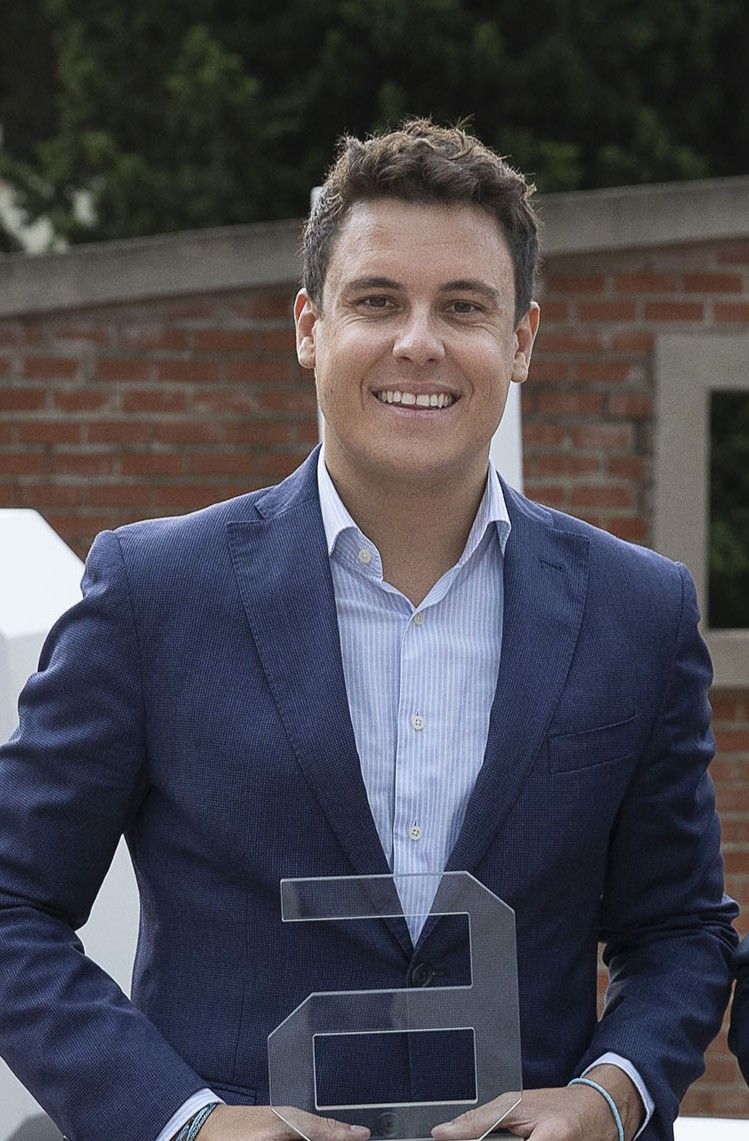
Anna Torra
Primary Education | 2004
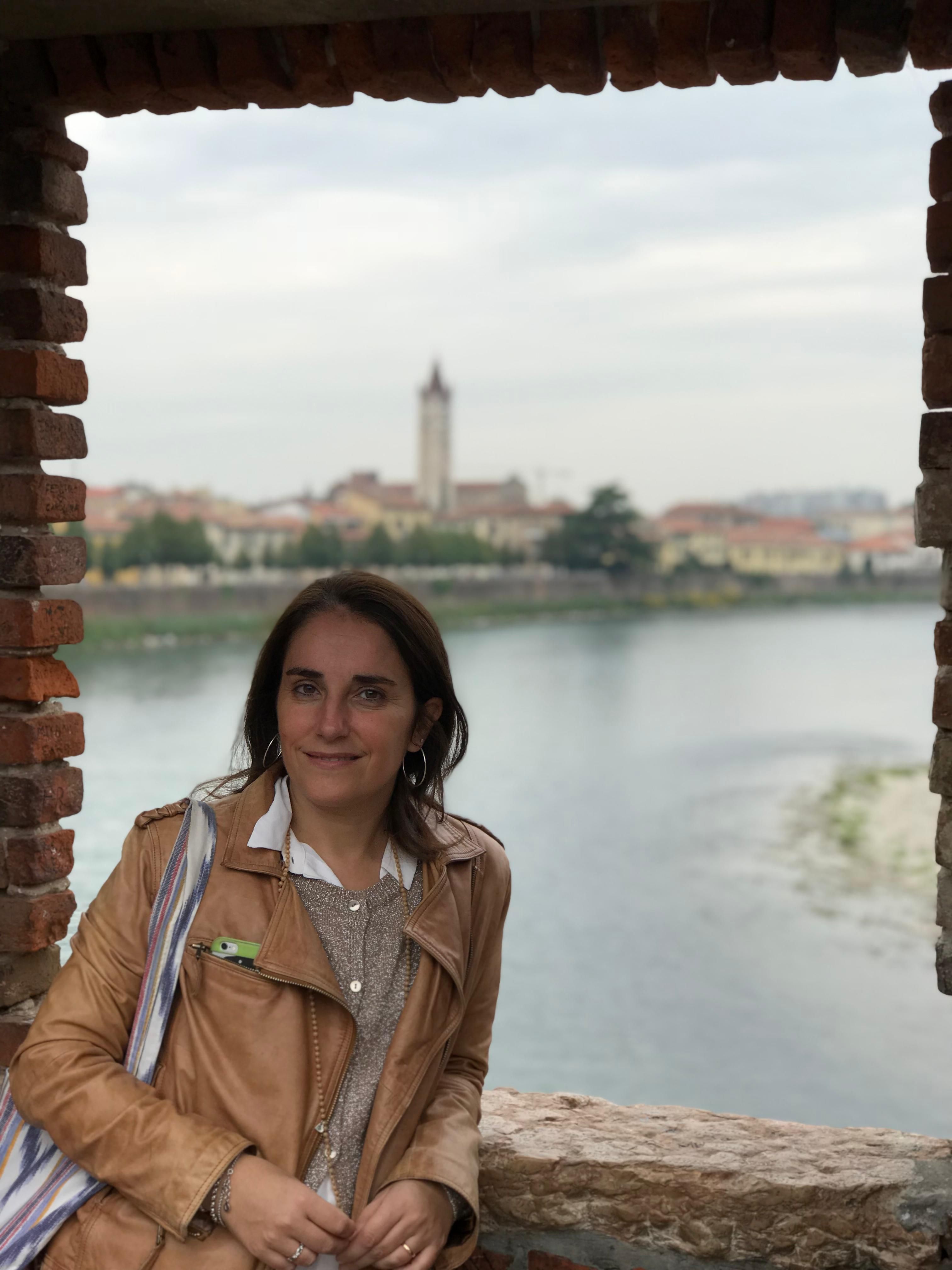
One of the main challenges was moving from being a “colleague” to also being a “leader,” while maintaining closeness without losing consistency or clarity
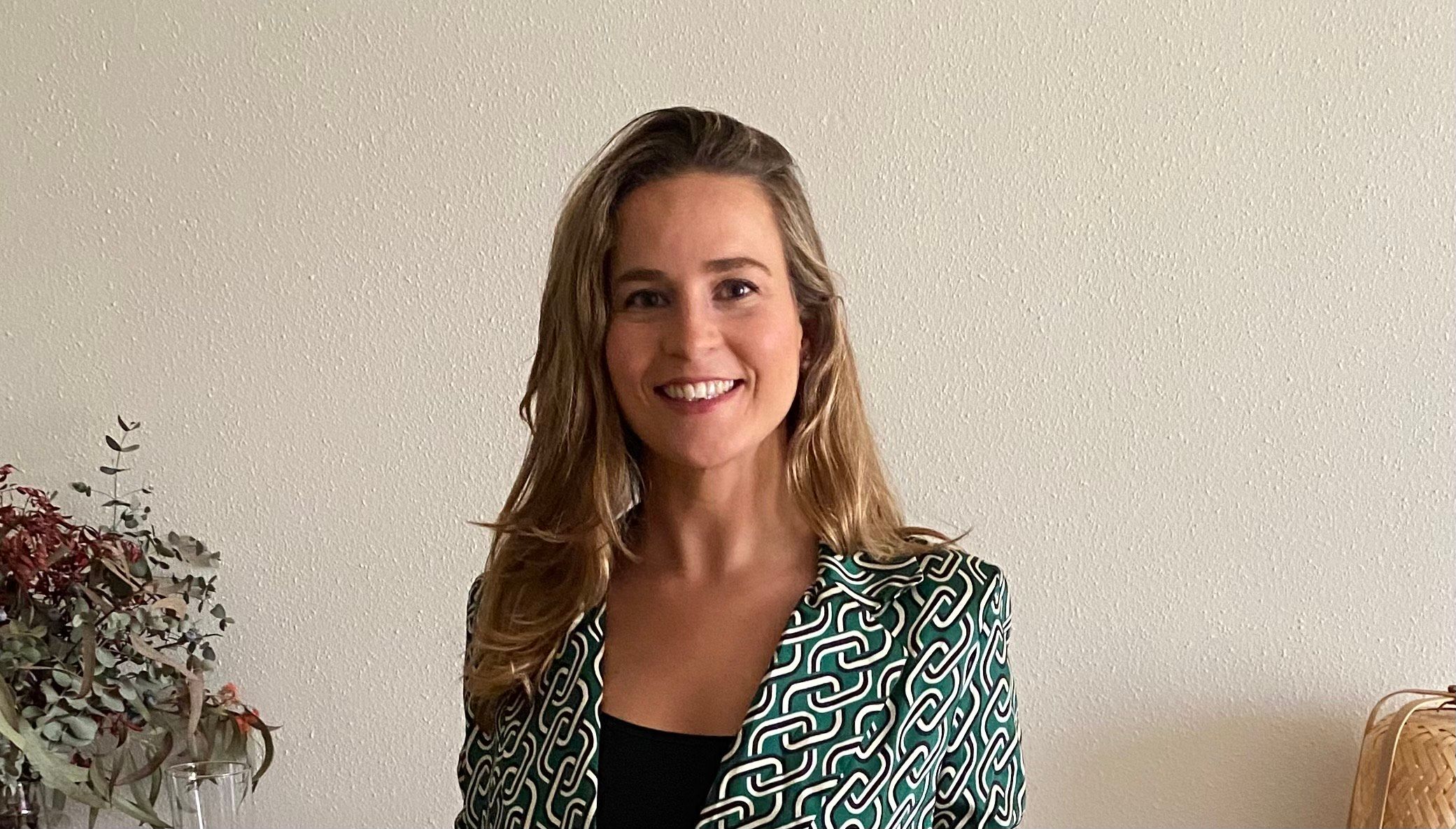
Anna Torra (Primary Education, 2004) is deputy head of Primary Education at Institució La Vall and has a career deeply linked to education, personal development, and pedagogical leadership. In this interview, she shares her teaching vocation, the key learnings from her time at UIC Barcelona, and her evolution from the classroom to school leadership, as well as her perspective on educational leadership, meaningful innovation, and the importance of creating environments where students, teachers, and families can grow and develop their talent.
- Who is Anna Torra? How would you describe yourself and what motivates you in your daily work?
I am someone deeply connected to education and, at the same time, very family-oriented. For me, family is the most important thing and the foundation that gives meaning to everything else. I see myself as approachable, curious and quite demanding of myself, but always from a place of calm and a genuine desire to help.
I first studied Hispanic Philology and, after graduating, worked for several years in business. That stage gave me a broader perspective: organisation, teamwork, time management… skills that I value greatly today in my educational and leadership role. Later, I completed my teaching studies at UIC Barcelona, where I truly discovered my vocation for education.
I also had the opportunity to live for a year in Paris and another in Atlanta, an experience that greatly expanded my personal and educational outlook. It helped me understand other cultures, rhythms and ways of learning – something I value greatly today in the way I support students and teams.
What motivates me most on a daily basis is accompanying people: seeing students grow, supporting teachers, working with families and creating environments where everyone can discover their talent. For me, that is a privilege.
- Which lessons from your time at UIC Barcelona have been most important for your professional development?
What I remember most from my time at UIC Barcelona is the feeling of being truly supported. The lecturers not only taught but were present and genuinely interested in our journey. I felt that they trusted me, and that has strongly shaped the way I educate today.
The humanistic approach at UIC gave me a very solid foundation: understanding that educating means seeing each person as unique. I am still connected to UIC Barcelona today as a mentor for Education degree students, which I truly enjoy because it allows me to continue training future teachers and to broaden my own perspective on youth and education.
- After almost two decades in the profession, how would you describe your journey to becoming deputy head?
My professional evolution has been very gradual and natural. I began in the classroom, thoroughly enjoying direct contact with students. Over the years, I gradually took on more responsibilities – projects, tutoring, coordination – and realised that I also derived great satisfaction from supporting other teachers.
My prior experience in the corporate world before fully dedicating myself to education gave me confidence, an organisational vision and management skills, qualities I greatly appreciate today, as they proved very helpful when I began leading teams. Continuous professional development has also been key: courses, international experiences, and the opportunity to visit reference educational centres, which allowed me to analyse other models, compare practices and adapt ideas to our situation.
Taking on the responsibility of deputy head has been the result of many years of commitment, continuous learning and a desire to contribute to the educational project from a wider perspective.
- What challenges did you have to overcome in order to take on a leadership role?
One of the main challenges was moving from being a “colleague” to also being a “leader,” while maintaining closeness without losing consistency or clarity. Learning to make complex decisions, manage different sensitivities and build trust was essential.
Another challenge was managing time and priorities: balancing organisational responsibilities with what I enjoy most, which is being with students and teachers. And, of course, learning to delegate, which is never easy, but absolutely essential.
- What are your main responsibilities, and how do you balance management, coordination and student support?
My main responsibility is to ensure that the educational project is implemented in a real and coherent way: supporting teachers, working with families, coordinating teams and ensuring a positive experience for every student.
To achieve this balance, I always try to set aside time for direct presence: continuing to teach, entering classrooms, talking with students and listening to how they are doing. If I lose that contact, I feel that I lose the essence of why I am here.
- What strategies do you use to motivate and support your teaching team?
I believe in trust, active listening and recognition. For me, it is essential that the team feels valued and supported. I like to acknowledge effort, offer sincere and constructive feedback and create an environment where teachers feel safe.
We also encourage spaces for joint training and the exchange of good practices, because when a team shares, it grows. Above all, I try to be available – sometimes, what motivates people most is simply knowing they can count on you when they need it.
- How do you approach educational innovation and adaptation to new methodologies and technologies?
For me, innovation means improvement, not change for the sake of change. Before introducing a new methodology or tool, I always ask myself whether it truly adds value for students.
We work by accompanying teachers throughout the process, giving them time and support to test, reflect and adjust. Technology and innovation must have a purpose, and when they do, they integrate naturally.
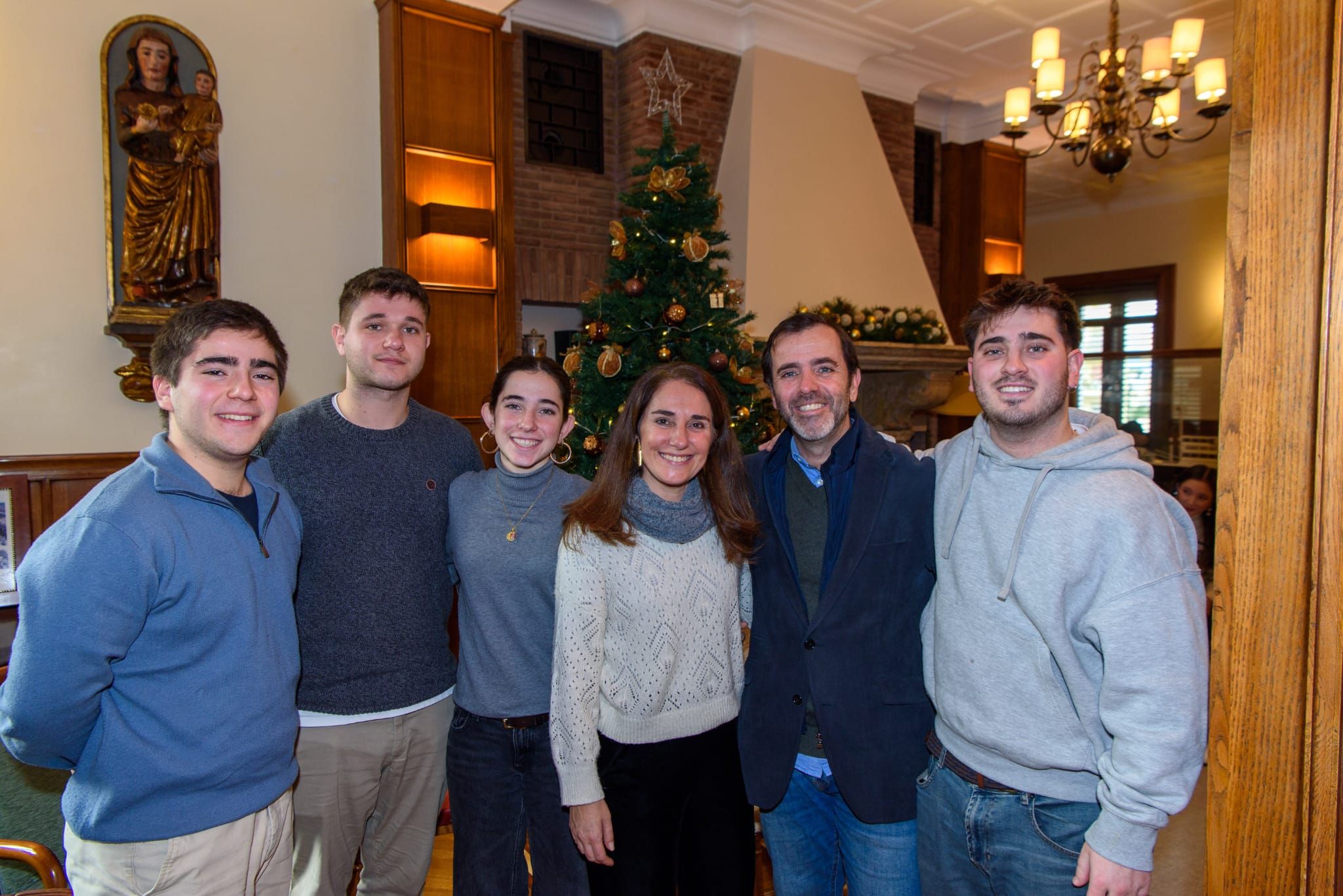
- A phrase that represents you: “Educating is believing in the potential of every person.”
- Your favourite music: I often listen to calm music, not necessarily only classical, to disconnect and recharge.
- Your favourite place: Anywhere my family is. If I had to choose, somewhere near the sea.
- A film or series you recommend: Life Is Beautiful, for its human, hopeful and deeply educational message.
- An anecdote from your time at UIC Barcelona: I remember a class in which a lecturer asked us to think not about “what we wanted to teach,” but about “the person we wanted to become as teachers.” That question has stayed with me ever since.