Pol Ricart
Medicine | 2017
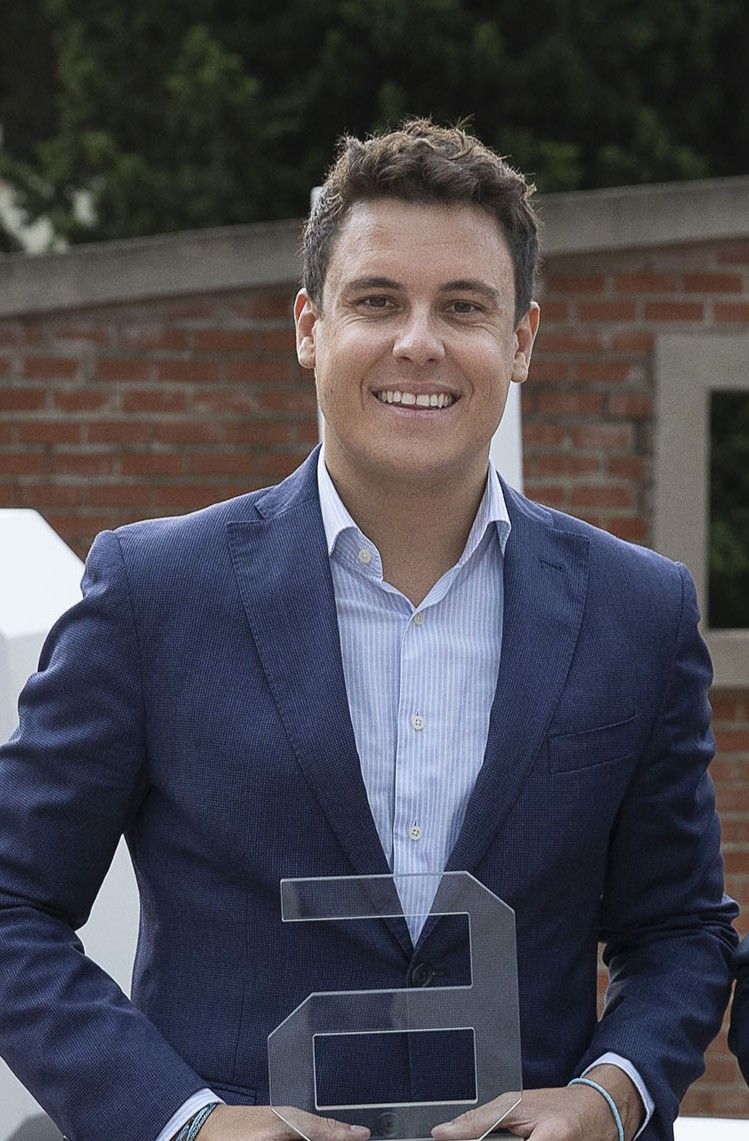
Pol Ricart
Physician and founder of MedBrain Global, a digital health startup that applies artificial intelligence to improve access to accurate clinical diagnoses, especially in resource-limited settings
Medicine | 2017
You have to fall in love with the process: iterating, listening to the user, improving one version after another
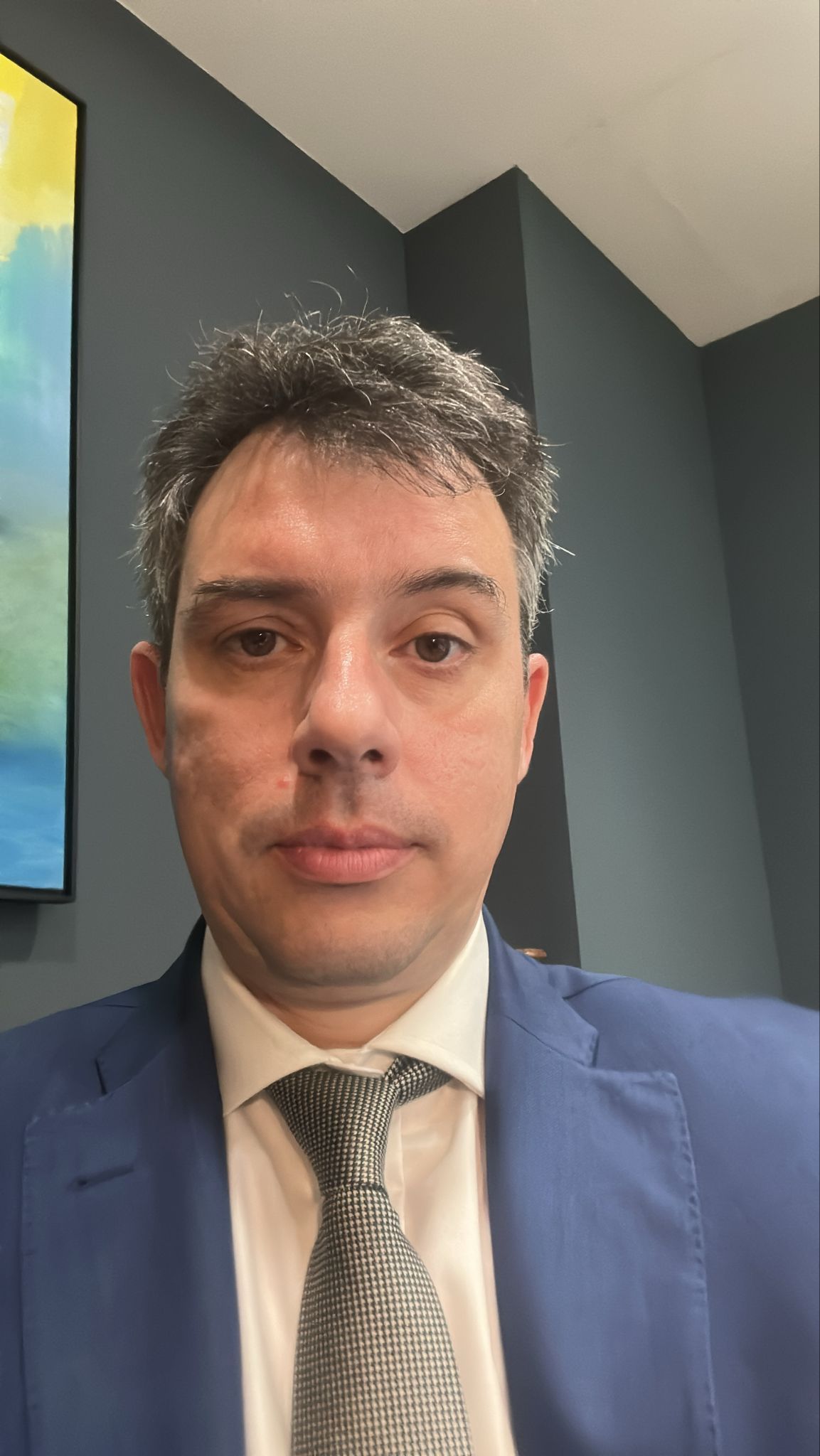
Pol Ricart (Medicine, 2017) is a physician and founder of MedBrain Global, a digital health startup that applies artificial intelligence to improve access to accurate clinical diagnoses, especially in resource-limited settings. Pol has shaped his career around combining medical vocation with technological innovation, with the aim of amplifying the social impact of medicine beyond the traditional limitations of clinical practice. In this interview, he shares his vision of health entrepreneurship, the key lessons from his university years, the challenges of leading an AI-driven clinical project, and his commitment to more equitable and scalable healthcare.
- Who is Pol Ricart? How do you describe yourself and what motivates you in your daily life?
I have always defined myself, above all, as a physician. It is an identity that goes beyond the profession: it is a way of understanding the world and my place in it.
My main concern as a doctor has always been the limited scalability of the positive impact we can generate. During my time as a neurosurgery resident, I was very aware that in the operating room we could help one or two patients a day. No matter how extraordinary each case was, the reach was inherently finite.
What motivates me every day is a conviction I have built over time thanks to thinkers such as Peter Diamandis and Jeremy Rifkin: the idea that, through technology, we can exponentially amplify impact in any field. One of the keys lies in creating innovations whose use does not entail a significant marginal cost – economies of scale applied to social problems. When you manage to make a tool benefit thousands of people at the same cost as one, you are redefining what is possible in medicine.
This is what drives me every day: combining clinical vocation with innovation so that the quality of medical care does not depend on a patient’s postcode.
- Which lessons from your time at UIC Barcelona have been most important for your professional development?
There is an African proverb that accompanies me closely: “If you want to go fast, go alone; if you want to go far, go together.” At UIC Barcelona I learned many things, but if I had to highlight one above the rest, it would be this: medicine, and even more so health innovation, is a team sport.
The University not only gave me a clinical foundation; it helped me understand how to make teamwork truly productive: distributing responsibilities, building trust, communicating precisely, and maintaining focus on a common goal. I remember assignments and projects where I learned to coordinate different profiles and to lead without imposing – by listening, synthesising and making decisions when needed.
In addition, I was fortunate to find mentors who went beyond expectations. My personal tutor, Dr Josep Argemí, not only guided me academically but he also generously shared conversations, time and judgment, and encouraged me to think big while keeping my feet on the ground. And my dean, Dr Albert Balaguer, was an example of leadership and always made me feel supported. That combination of rigour and humanity left a deep mark on me.
- Which skills do you consider essential to undertake entrepreneurship in health as a physician by training?
For me, entrepreneurship in health requires three critical skills.
The first is a deep understanding of clinical practice and the healthcare system: how decisions are made, how resources are managed and how priorities are set in real-life situations. Innovation must be grounded in field knowledge, not conceived from a desk.
The second is understanding that medicine already is, and will increasingly be, a data-driven science. That is why it is essential to master research methodology, measure outcomes and think from first principles: what is the problem you are solving, who is it for, what is the context and how can you demonstrate that it works efficiently and safely?
The third is the ability to learn quickly and lead in complex situations. In a single day, you may work on regulation, strategy, product, financing, clinical validation or negotiations with governments. Knowing how to switch mental “gears” to lead in different scenarios is a skill that develops over time, and I personally find it extremely stimulating.
And there is something very personal: leading a brilliant team that chooses to commit to a shared vision is a great responsibility. Gratitude and care for the team are an essential part of building something that lasts.
- What has been the most challenging aspect of leading a digital health project from its early stages?
The most challenging, and at the same time the most formative, aspect is leading in an environment where almost everything is uncertain: product, financing, regulatory context, adoption and, in addition, the ethical weight of working with clinical decisions. You must learn to be comfortable navigating the unknown while maintaining a very clear vision of where you want to go.
There is so much work involved that you have to fall in love with the process: iterating, listening to the user, improving one version after another.
I have learned to internalise a fundamental mindset: a “no” today is not a “no” forever. Circumstances change, and if you do the work well, what seemed impossible yesterday may become your reality tomorrow. As Ryan Holiday says, “the obstacle is the way.” Pain and intense effort are not anomalies to be avoided, but inherent parts of the process.
If I had to point to the most specific challenge, it would be securing the initial capital to build the team and carry out the necessary research and development. We are creating a tool with the potential to generate enormous positive impact, but in vulnerable populations where the economic return on investment is perceived as risky. Convincing investors to bet on a volatile and uncertain market, where social return is clear but financial return requires a long-term perspective, was probably the most difficult obstacle to overcome in the early stages.
- Artificial intelligence is transforming clinical practice. What opportunities does it offer and what barriers still exist?
The opportunities are extraordinary. Scientific literature has widely demonstrated that, through AI, healthcare professionals can increase their accuracy in triage, clinical diagnosis and patient management.
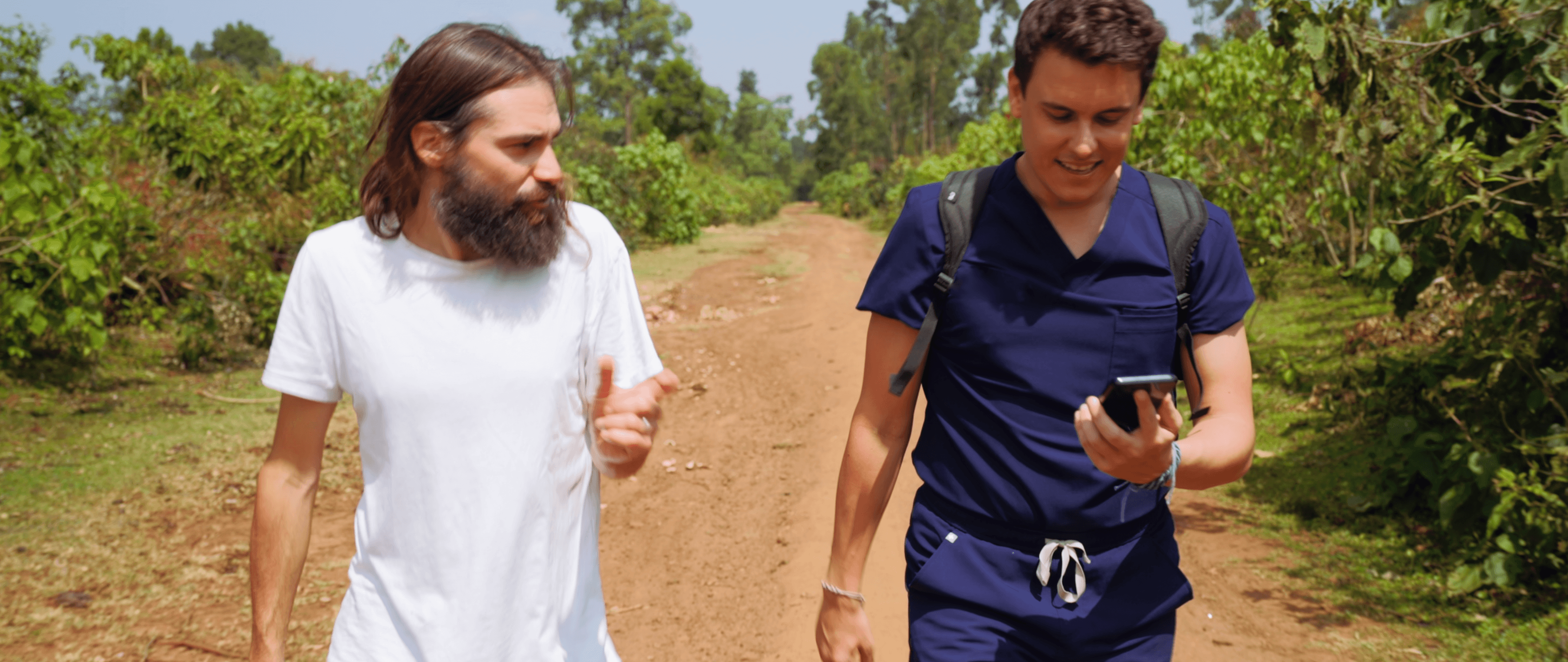
A specific example is a double-blind randomised clinical trial led by the Ministry of Health of the Government of Nigeria to validate our diagnostic tool. A statistically significant increase in diagnostic accuracy among rural nurses was observed when they used MedBrain. Most notably, there were no significant differences between the diagnostic accuracy of these nurses and that of specialist physicians, while clear differences did exist compared to nurses without the tool. This confirms that AI can enable non-specialist professionals to diagnose and manage patients with accuracy comparable to that of a specialist physician.
However, important barriers remain:
- Universal accessibility: Most AI solutions require constant internet connectivity and high computational costs. Our tool works without internet access, on low-cost smartphones and with negligible computational consumption. Paradoxically, those who most need AI are often those with the least access to advanced technology; that is why we are committed to offline AI accessible to everyone.
- Traceability of clinical decisions: “Black box” AI models pose a risk due to their lack of transparency. At MedBrain, we use a closed system based exclusively on approved clinical guidelines, with full traceability of every decision and no risk of AI “hallucinations.”
- Ensuring universal accessibility and traceability in every clinical decision are essential conditions for healthcare professionals worldwide to benefit from accurate and safe AI.
- In 2025, together with UIC Barcelona, you brought MedBrain to 4YFN and were recognised with the Alumni Award for Social Transformation. What impact have these experiences had on the project’s trajectory?
Participation in 4YFN was a turning point for MedBrain. In the most recent edition, we were able to establish direct relationships with governmental delegations from low-income countries, with whom we are currently negotiating nationwide implementations.
Receiving the Alumni Award for Social Transformation has special meaning for me. Returning to UIC, the institution that trained me, and receiving this award for the work we are doing at MedBrain closes a very emotional circle.
- A book you recommend: The Empathic Civilization, by Jeremy Rifkin.
The idea that human history is, at its core, a continuous expansion of the “we.” Rifkin invites you to view civilization not only as technical progress, but as a slow, and sometimes painful, widening of empathy: from clan to city, from nation to humanity, and today toward a broader consciousness that includes other species and the biosphere. It is a deeply hopeful message.
- Your favourite music: Álvaro Soler—vitalist and humanist, a true reference for me.
- Your favourite place: the island of Saint Lucia.
- A phrase that represents you: Action!