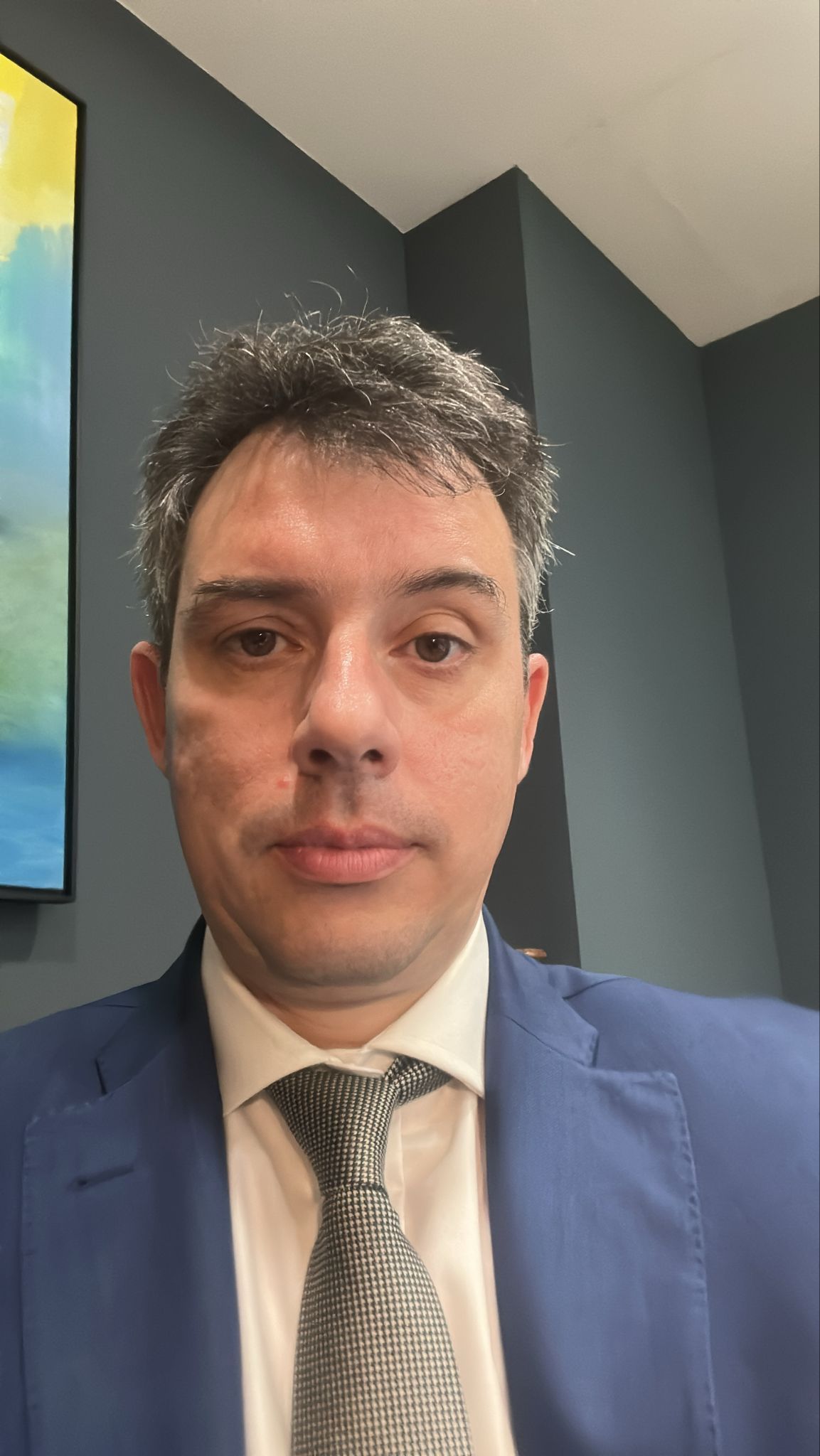
Guillermo Camps
Master’s Degree in Orthopaedic Manual Therapy | 2019
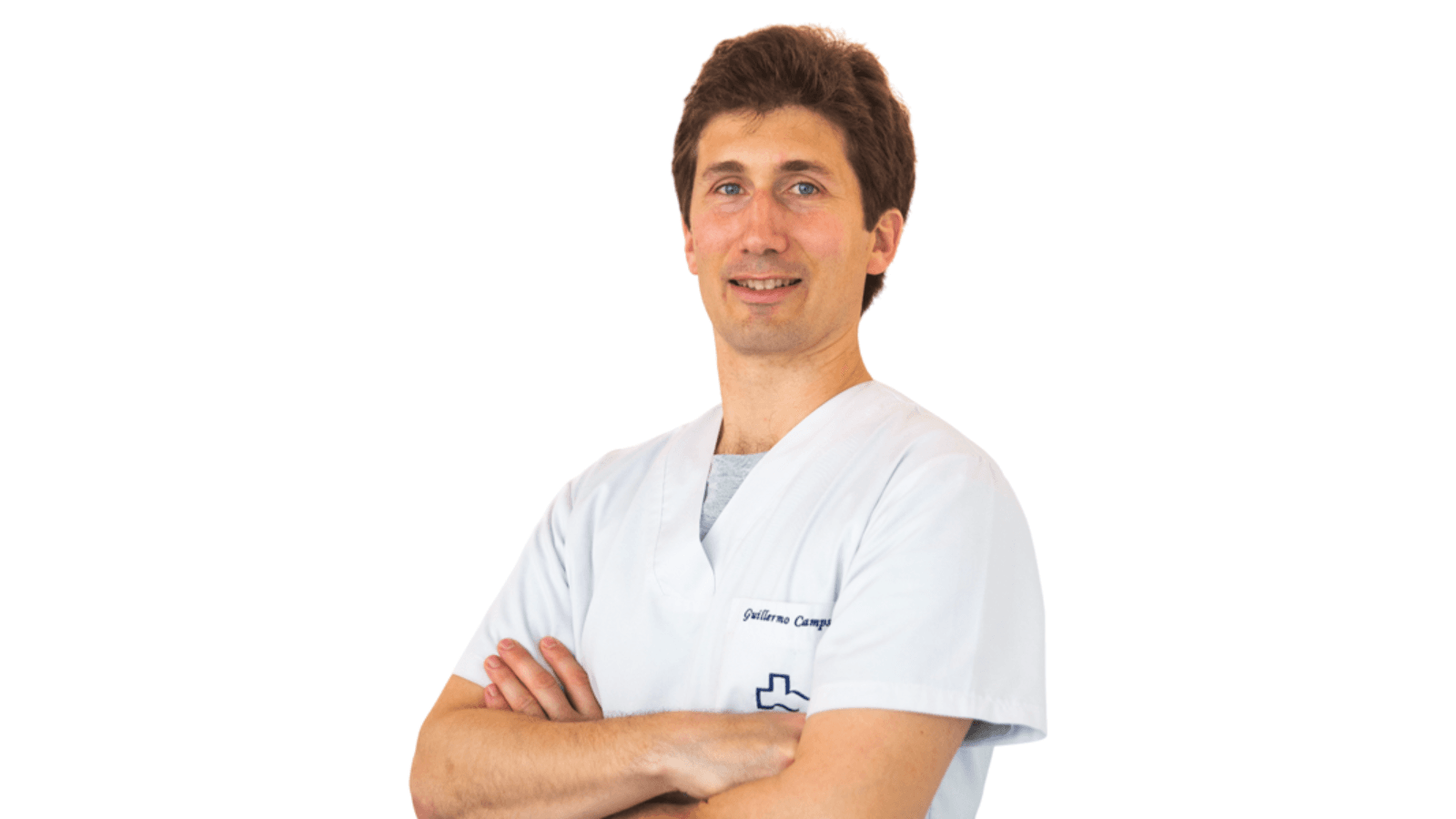
Guillermo Camps
Physiotherapist specialising in manual therapy and the director of GC Fisiocoach
Master’s Degree in Orthopaedic Manual Therapy | 2019
True transformation will occur when AI can scan patients, identify biomechanical faults, asymmetries and muscular imbalances and provide a full summary of all factors affecting the patient.
Guillermo Camps (Physiotherapy, 2016; Master’s Degree in Orthopaedic Manual Therapy, 2019) is a physiotherapist specialising in manual therapy and the director of GC Fisiocoach. In this interview, Guillermo discusses how his time at UIC Barcelona, both as an undergraduate student and master’s student, helped him consolidate his technical knowledge and develop a more reflective, ethical and patient-centred clinical approach. He also reflects on his decision to specialise in orthopaedic manual therapy, the importance of human skills in treatment, the role of new technologies in professional practice and his vision for future trends in physiotherapy. He also shares personal anecdotes from his university years, his sources of inspiration and his professional philosophy, which combines technical precision with empathy and a strong commitment to his patients’ wellbeing.
● Who is Guillermo Camps? How would you describe yourself, and what motivates you in your daily life?
I am a cheerful, hardworking, responsible person and the father of two young children who I have a lot of fun with.
What motivates me is doing my job well, seeing my patients improve through physiotherapy sessions, knowing they are happy and receiving their gratitude.
● Which lessons from your time at UIC Barcelona had the greatest impact on your professional development?
My time at UIC Barcelona is divided into two parts: my undergraduate degree and the master’s degree in OMT. In the first part, I would highlight that, in addition to learning all the fundamentals of physiology, anatomy and basic physiotherapy practice, it sparked my curiosity in manual therapy as a foundation for treatments.
In the second part, I would emphasise learning how to properly assess patients, offer more effective physical treatment using the skills and techniques I acquired during the master’s programme and prescribe specific exercises for each patient as a key part of the treatment.
● How was the transition from academia to clinical practice? Were there any challenges that particularly marked your early years?
When I was young, I spent as much time as possible in my parents’ medical clinic, observing them with patients, and later with other physiotherapists and traumatologists, because I loved it. For me, starting clinical practice felt both natural and exciting.
Of course, I had concerns about “not making mistakes” with more complex pathologies, which I discussed with more experienced colleagues. Those conversations helped me gain confidence, expand my knowledge and achieve better treatment outcomes.
● Why did you choose to specialise in Orthopaedic Manual Therapy through a master’s programme?
After treating many athletes, I realised that manual techniques are essential for effective physiotherapy treatment. So, I looked at which master’s programmes offered this approach, discovered the Master’s Degree in Orthopaedic Manual Therapy and really liked it, and after discussing it with one of my manual therapy lecturers and professional mentors, I enrolled.
● What role do new technologies play in your professional practice?
New – or not-so-new – technologies are tools that can be used to complement patient assessment and manual treatment, such as TECAR therapy, pain neuromodulation with electrical stimulation – with or without needling – ultrasound and biofeedback for muscle activation.
However, they remain complementary: they help us provide better care, but never, in my view, have they played a primary or central role.
● What trends or innovations do you think will transform physiotherapy in the coming years?
I believe that, at present, there is no trend or innovation poised to transform physiotherapy over the next few years. However, I hope for change among practitioners who still perform “classic” physiotherapy, those who do not properly assess patients, fail to identify the root of the problem and treat only the area of pain with techniques with questionable evidence, without dedicating sufficient time to understanding what is happening to the patient, why and, from there, how to address it effectively and prevent it from reoccurring in the future.
I believe that true transformation will occur when AI can scan patients, identify biomechanical faults, asymmetries and muscular imbalances and provide a full summary of all factors affecting the patient. That would enable us to create much more precise treatments.
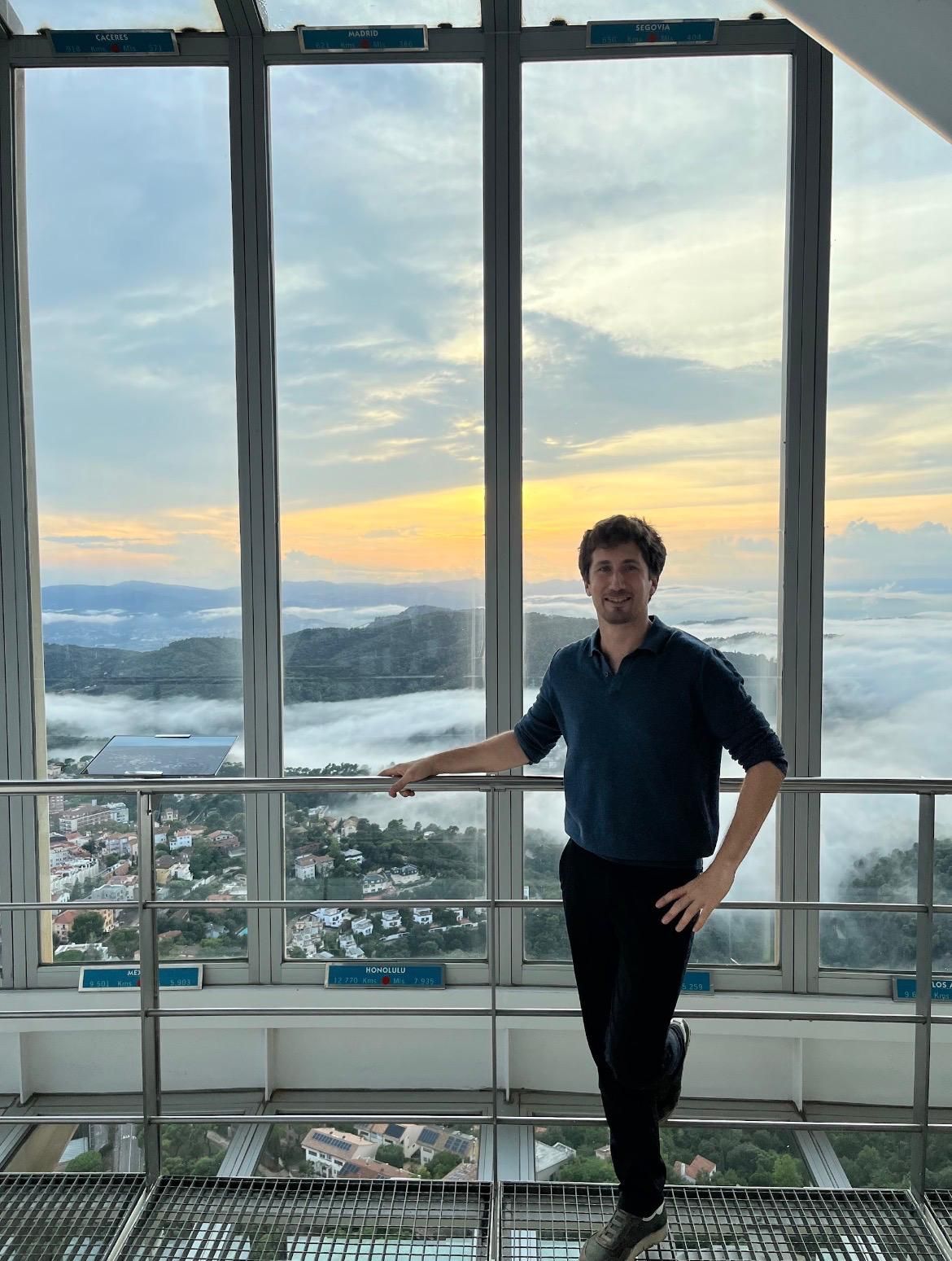
- Favourite place: Nature
- Hobbies: Tennis, skiing, diving, horseback riding and spending time with the family
- A phrase that inspires you: “In the end, everything will be fine, and if it’s not fine, it’s not the end”
- A book, series or film you would recommend: The Physician by Noah Gordon as a book and Society of the Snow as a film
- An anecdote from your time at UIC Barcelona: I remember going to the review of the practical poleotherapy exam because I didn’t understand why I’d been given a 9.5/10 instead of a 10/10. I’d done everything just as we'd been taught and wanted to understand why. The lecturer had me repeat a treatment for a patient’s traction. I did it correctly, and then she pointed out that I hadn’t maintained the proper posture while bending. She said I would always remember it, and that it wouldn’t happen again. And she was right.