Belén Bofill
Master's Degree in General Health Psychology | 2025
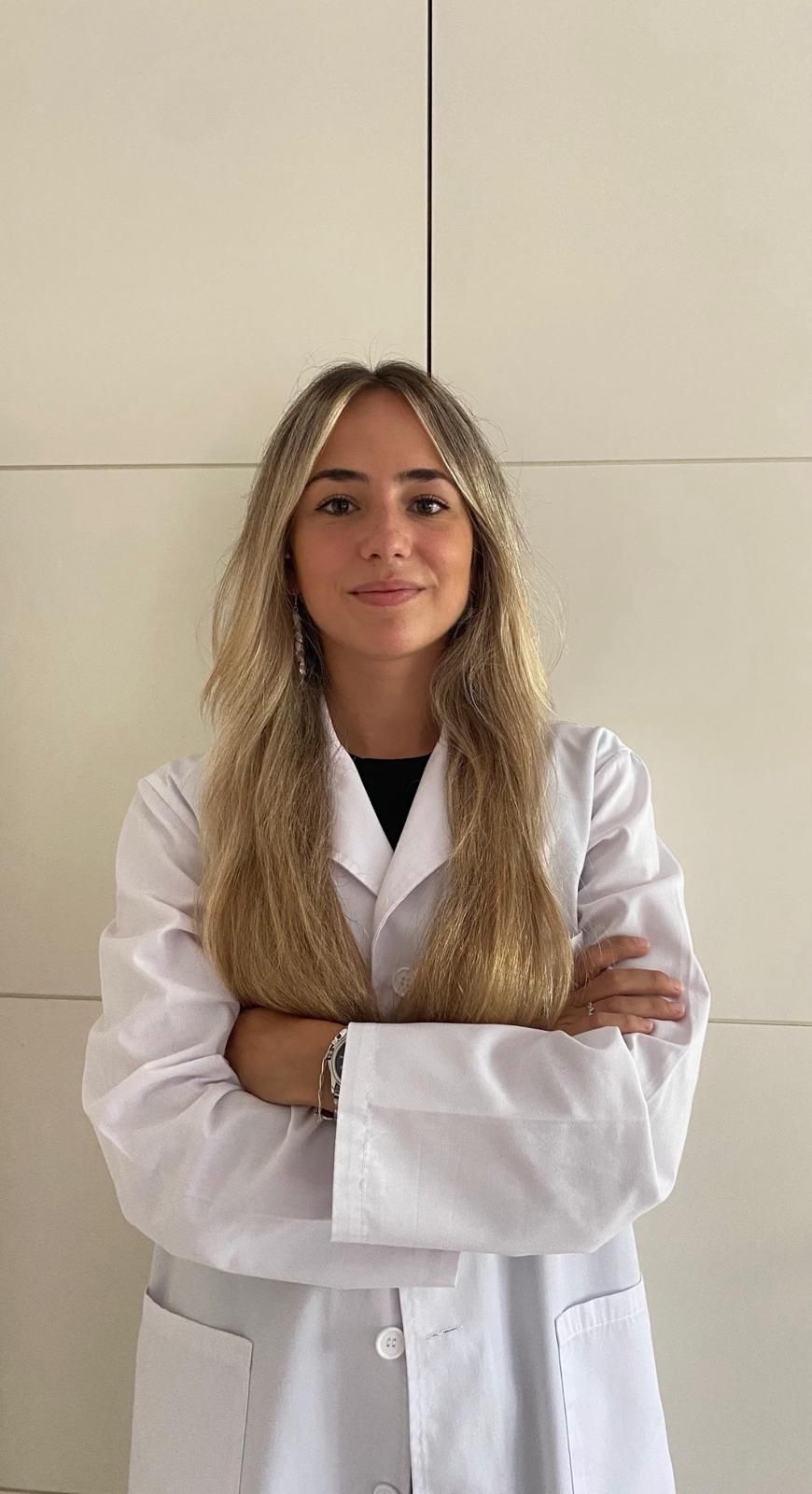
Belén Bofill
Palliative care psychologist and grief therapist
Master's Degree in General Health Psychology | 2025
New generations of psychologists have a heightened view of mental health as a right and recognise the value of holistic wellbeing.
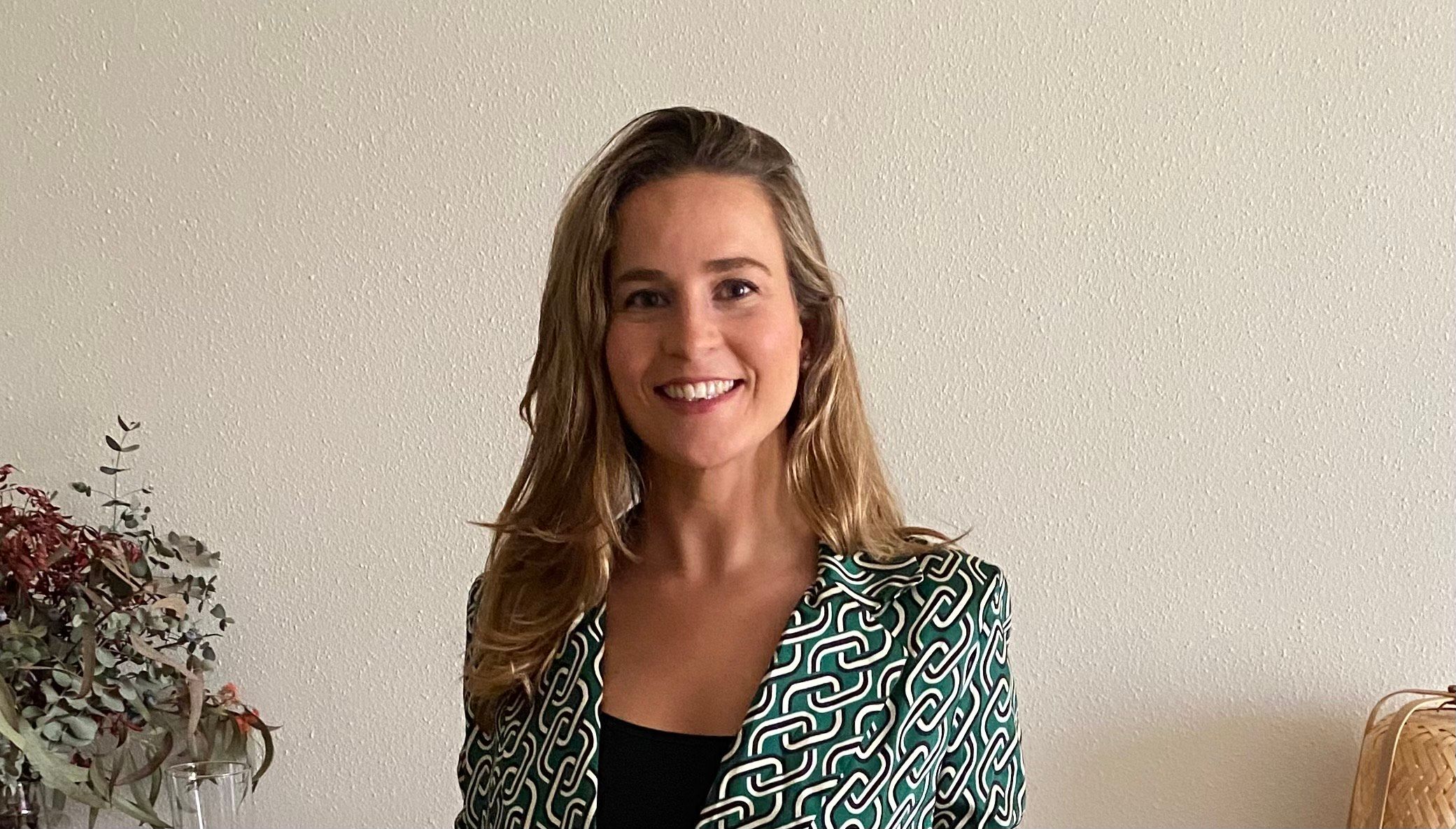
Belén Bofill Castro (Psychology, 2023; Master’s Degree in General Health Psychology, 2025) is a palliative care psychologist and grief therapist, specialising in grief, attachment and parts work under the DAT-7R model. In this interview, she discusses how her time at UIC Barcelona helped her integrate theory and practice from the early years of her training, strengthening both her clinical and human perspective. Belén reflects on the reason she chose to work in clinical psychology within the healthcare setting, the importance of both technical and human skills and the role of technology in psychological treatments. She also speaks about how new generations of psychologists are transforming the field, as well as her sources of inspiration and motivation, and shares personal memories and experiences from her university years that shaped her professional development and vocation.
- Who is Belén Bofill? How would you describe yourself and what motivates you in your daily work?
I am a general health psychologist currently working at Cuides UIC Barcelona, a university clinic supporting patients with advanced illnesses and palliative care, part of the facilities at Hospital Universitari General de Catalunya. It is the only private clinic in Catalonia dedicated specifically to palliative care. I also provide grief counselling in the private sector.
- I am an empathetic, hardworking and sensitive person, with a deep calling for supporting people in moments of vulnerability.
What motivates me most in my daily work is knowing that my efforts have a real impact on others’ emotional wellbeing, being present in meaningful moments and contributing – even in a small way – to alleviating suffering and strengthening bonds. I engage in a close and respectful manner, aiming to be authentically present, especially when words are not always enough.
- What lessons from your time at UIC Barcelona have had the greatest impact on your professional development as a psychologist?
For me, it was essential to integrate theory and practice. Right from year one of my degree, and later during my master’s, observing and participating in clinical situations reinforced my theoretical learning and helped me develop a more reflective, ethical and human-centred clinical perspective.
- How was the transition from an academic setting to clinical practice?
The transition, far from being intimidating – although there is always a certain degree of respect – was exciting. Feeling confident in the education I’d received gave me the motivation to enter the workforce and take on my role as a practitioner with responsibility.
- What led you to specialise through the Master’s Degree in General Health Psychology?
I did my final year work placement in the acute psychiatry unit at Hospital General de Catalunya. From day one, I was passionate about the hospital and healthcare setting, both because of its clinical complexity and the interdisciplinary nature of the work, as well as the direct contact with human suffering. It became clear to me that my professional future lay in healthcare, making the Master’s Degree in General Health Psychology a natural and necessary step to practice professionally.
- What skills do you consider essential for working in clinical psychology today?
I believe that in clinical psychology today, strong technical skills are essential, and human skills are critical. Active listening and empathy remain fundamental, yet they must be accompanied by a flexible and open attitude, as the challenges we face are increasingly diverse. I also consider self-reflection and professional self-care very important, as they help us recognise our limits and prevent emotional burnout.
Furthermore, continuous updating and the ability to adapt to new contexts, such as the use of technology and interdisciplinary cooperation, are key. Personally, I place great value in building therapeutic relationships based on trust, respect and authenticity. In my clinical practice, especially in palliative care and grief, these human skills are indispensable.
- What impact do digital tools and new technologies have on the practice of psychology today?
Digital tools have greatly expanded the ways we practise psychology: they allow us to reach more people, facilitate therapeutic follow-up and provide support even in moments of great vulnerability. In my experience in palliative care and grief, technology can serve as a bridge when a physical presence is not possible. Still, it must be used wisely, taking care to preserve the therapeutic bond and remember that technology may support and facilitate, but should never replace human presence, which remains at the core of psychological treatment.
- What role do you think new generations of psychologists will play in transforming the field?
I believe that new generations of psychologists will have a key role in transforming the field, particularly in terms of making it more accessible, approachable and aligned with current needs. We have a heightened view of mental health as a right and recognise the value of holistic wellbeing. We also have a more natural relationship with technology, which enables us to extend the reach of psychology while maintaining ethical rigour.
At the same time, I believe our challenge is to integrate innovation with respect for the theoretical and clinical foundations, maintaining a critical and responsible attitude. It is in this balance between the new and the established that our greatest contribution lies.
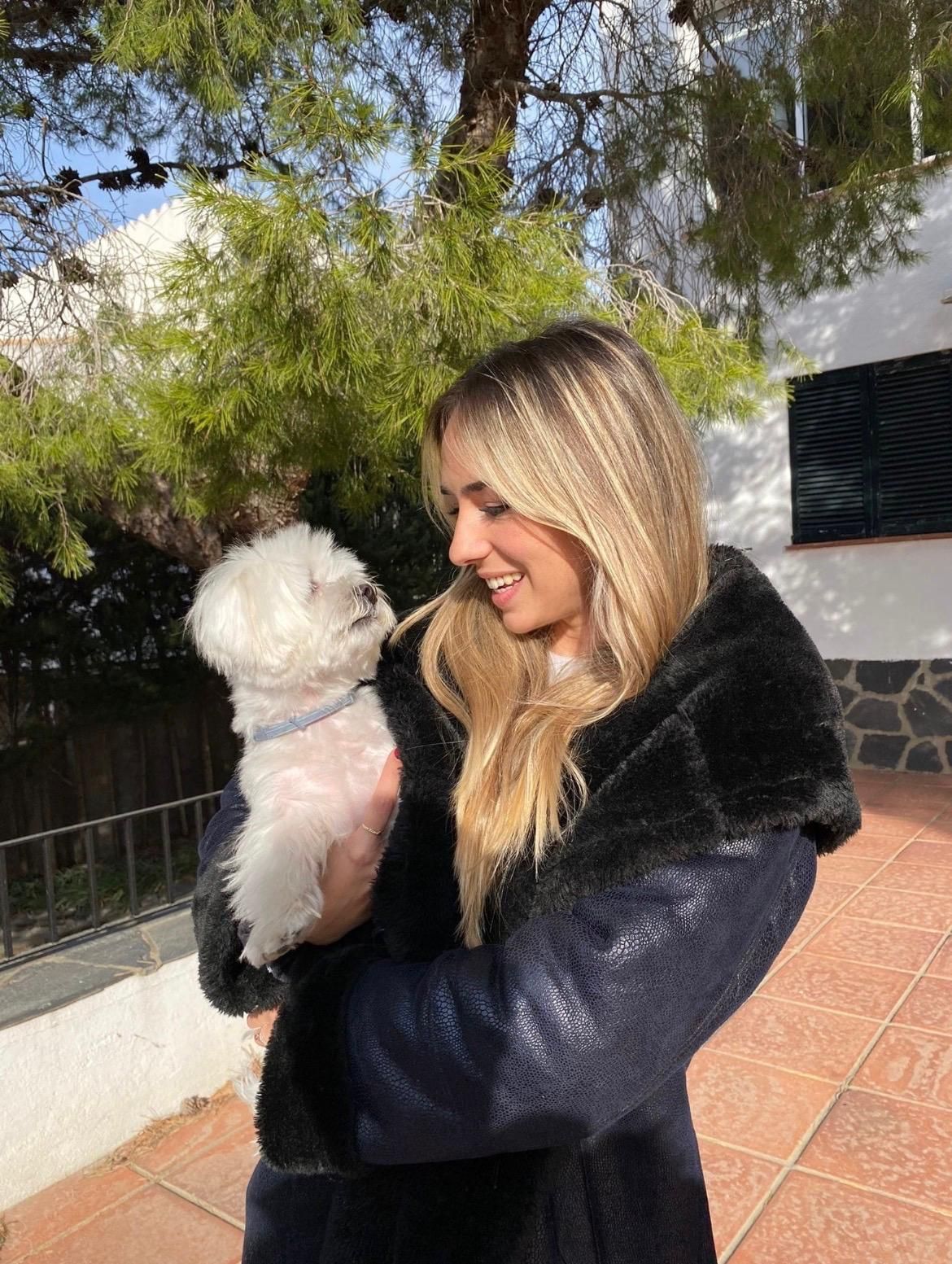
- A phrase that represents you: “Do not be afraid.” This phrase represents me because I see fear as a natural emotion that we should never let paralyse us. Both personally and professionally, I believe in the importance of taking risks, being authentic and moving forward no matter how uncertain.
- Your favourite music: I don’t have just one favourite musical style; I enjoy many genres and usually adapt them to the context. However, there are songs that I’ll always have a special connection with, such as "Qué bonita la vida" by Dani Martín, due to its message and the emotion it conveys.
- Your favourite place: Cadaqués, because it’s always been part of my life and is such a beautiful place.
- A book, film or series you recommend: A book: Man’s Search for Meaning by Viktor E. Frankl, because it addresses essential questions of life and inspires deep, critical reflection on how we face suffering and find meaning even in the face of adversity.
- An anecdote from your time at UIC Barcelona: I will always have fond recollections about one of the work placements I did during the Master’s Degree in General Health Psychology, which I completed at a clinic I’d always held in high esteem (Cuides). Today, I’m part of that same team as a professional, and coming full circle like that, to me, is deeply meaningful. That experience confirmed my calling and showed me how the education I received at UIC Barcelona had a direct impact on my professional and personal development.