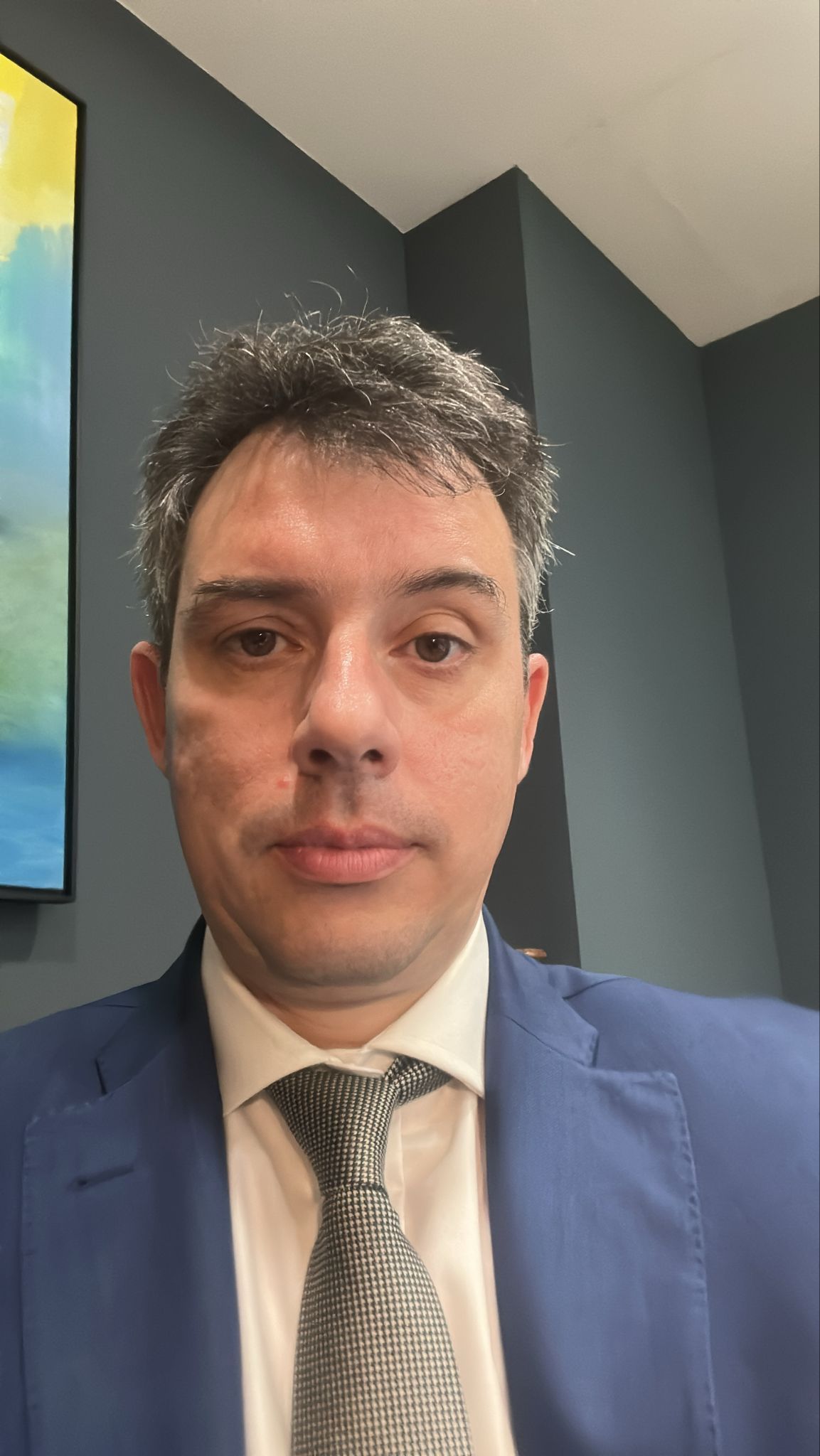
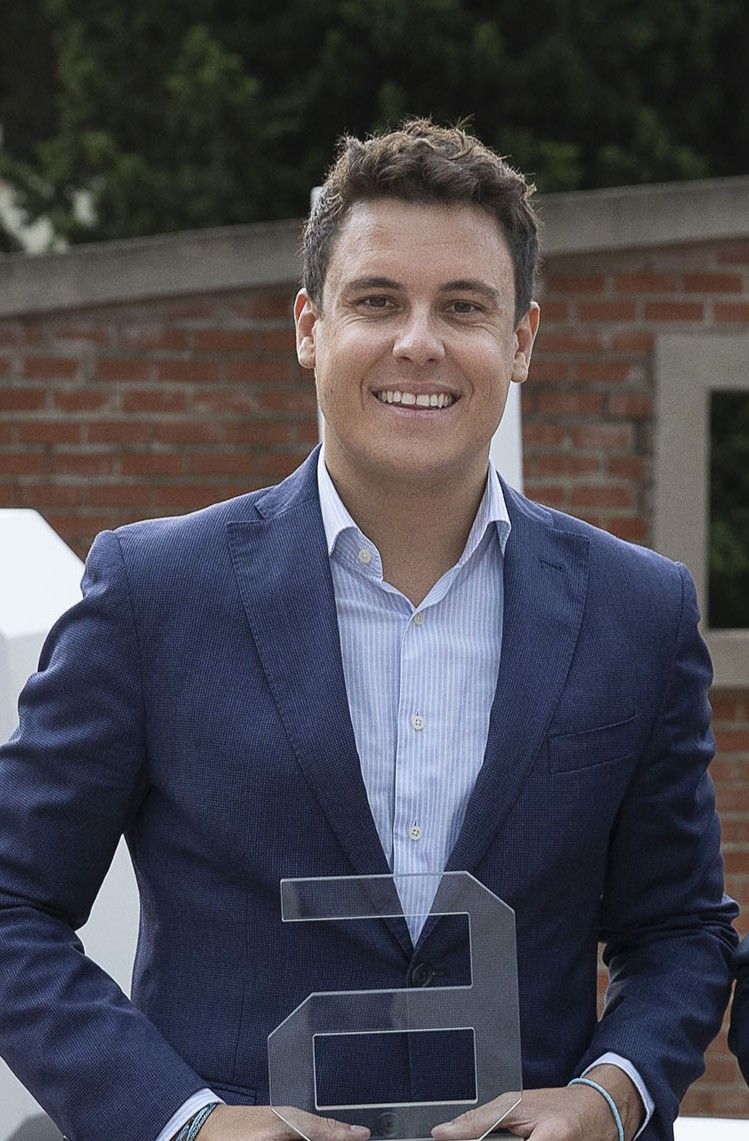
Cédric Córdoba
Bioengineering | 2024
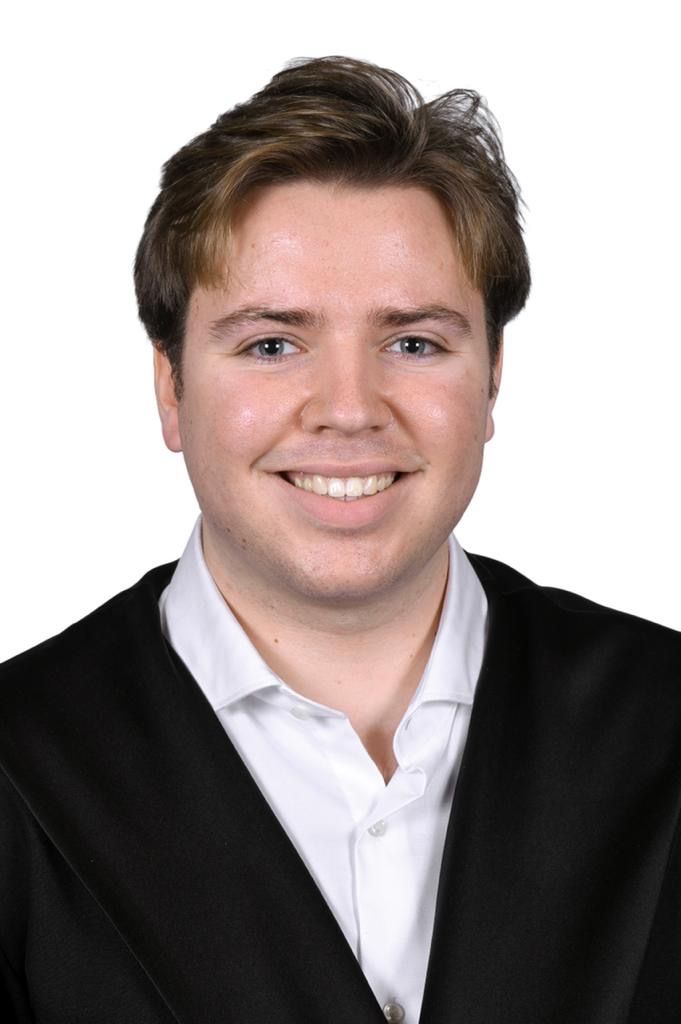
Critical thinking is key: questioning results, asking good questions and not taking anything for granted.
Cédric Córdoba (Bioengineering, 2022) is a studies and projects engineer at HABS, combining his bioengineering background with his passion for neurotechnology applied to performance enhancement and brain rehabilitation. In this interview, he explains how his time at UIC Barcelona provided him with key tools for his professional development, describes the transition from the academic environment to a highly specialised sector was like, and discusses which recent advances in neurotechnology are transforming the field. He also reflects on the essential skills beyond technical knowledge, his perspective on personalised medicine and AI applied to clinical and neuroimaging data, as well as his future projects and motivations. Additionally, he shares his sources of inspiration, personal tastes and memories from his university years.
- Who is Cédric Córdoba? How would you describe yourself and what motivates you in your daily life?
I would describe myself as someone who is constantly searching. Travelling and changing environments are part of how I understand personal and professional growth, which is why I currently live in Paris, although I don’t rule out moving to another city in the future. I am curious, open to change and optimistic. What motivates me most is learning continuously and feeling that, through my work, I can contribute something useful and have a positive impact on people. Finally, I find inspiration both in major challenges and in the small pleasures of everyday life, such as discovering new places and enjoying good food, especially Spanish omelette and ham croquettes.
- Which lessons from your time at UIC Barcelona have been most important for your professional development?
One of the most valuable lessons from my time at UIC Barcelona was the close relationship with lecturers, which taught me the importance of dialogue and constant feedback – something fundamental in any work environment. Added to this was the strong emphasis on teamwork and presentations, which allowed me to gain confidence in sharing ideas and speaking in public. In addition, the demanding nature of the programme helped me develop a critical mindset and a more structured and professional way of working.
- What surprised you the most when transitioning from the academic environment to the professional world in such a specialised sector?
What surprised me most was the shift in responsibility. Suddenly, no one tells you exactly what to do or what the right answer is. You are expected to make decisions, propose ideas and constantly face new situations. I realised that learning does not end when you finish your studies but continues every day, and that knowing how to adapt, ask questions and take responsibility is just as important as technical knowledge.
- Neurotechnology evolves very quickly. What recent advances do you consider the most transformative for this field?
Some of the most transformative advances in neurotechnology are related to the development of brain-computer interfaces (BCIs) and the application of AI to the analysis of neural signals, which allows for increasingly precise and near real-time decoding of brain activity. This is driving significant progress in functional neuroprosthetics, assisted communication systems and new rehabilitation strategies, especially for stroke patients.
At the same time, the advanced use of neuroimaging techniques, such as MRI, fMRI, and tractography, together with the identification of neural biomarkers, is improving the understanding of brain mechanisms and enabling more personalised approaches to both diagnosis and treatment.
- Which skills beyond technical knowledge do you consider essential in your daily work?
Beyond technical knowledge, essential skills include communication, being able to explain complex ideas clearly and adapting to different audiences. Critical thinking is also key: questioning results, asking good questions and not taking anything for granted.
Autonomy and responsibility are very important; often there is no single correct answer and it is necessary to make decisions, prioritise and take responsibility for them. This is combined with continuous learning, as the field evolves rapidly and requires constant updating.
Finally, I would highlight adaptability and teamwork, as collaborating with diverse profiles and adjusting to changing contexts is an essential part of the professional environment.
- Which projects would you like to tackle in the future?
In the future, I would like to work on projects focused on personalised medicine, particularly in the development of algorithms applied to the diagnosis and prognosis of pathologies such as tumours or strokes. I am especially interested in applying advanced deep learning models to clinical and neuroimaging data to improve early detection, patient stratification, and clinical decision-making.
On the industrial side, I am motivated to participate in start-up environments or R&D teams where research can quickly translate into real solutions, with direct impact on patients and healthcare professionals. Although I am still exploring different approaches and applications within the sector, this process is part of finding the place where I can provide the most value and continue growing professionally.
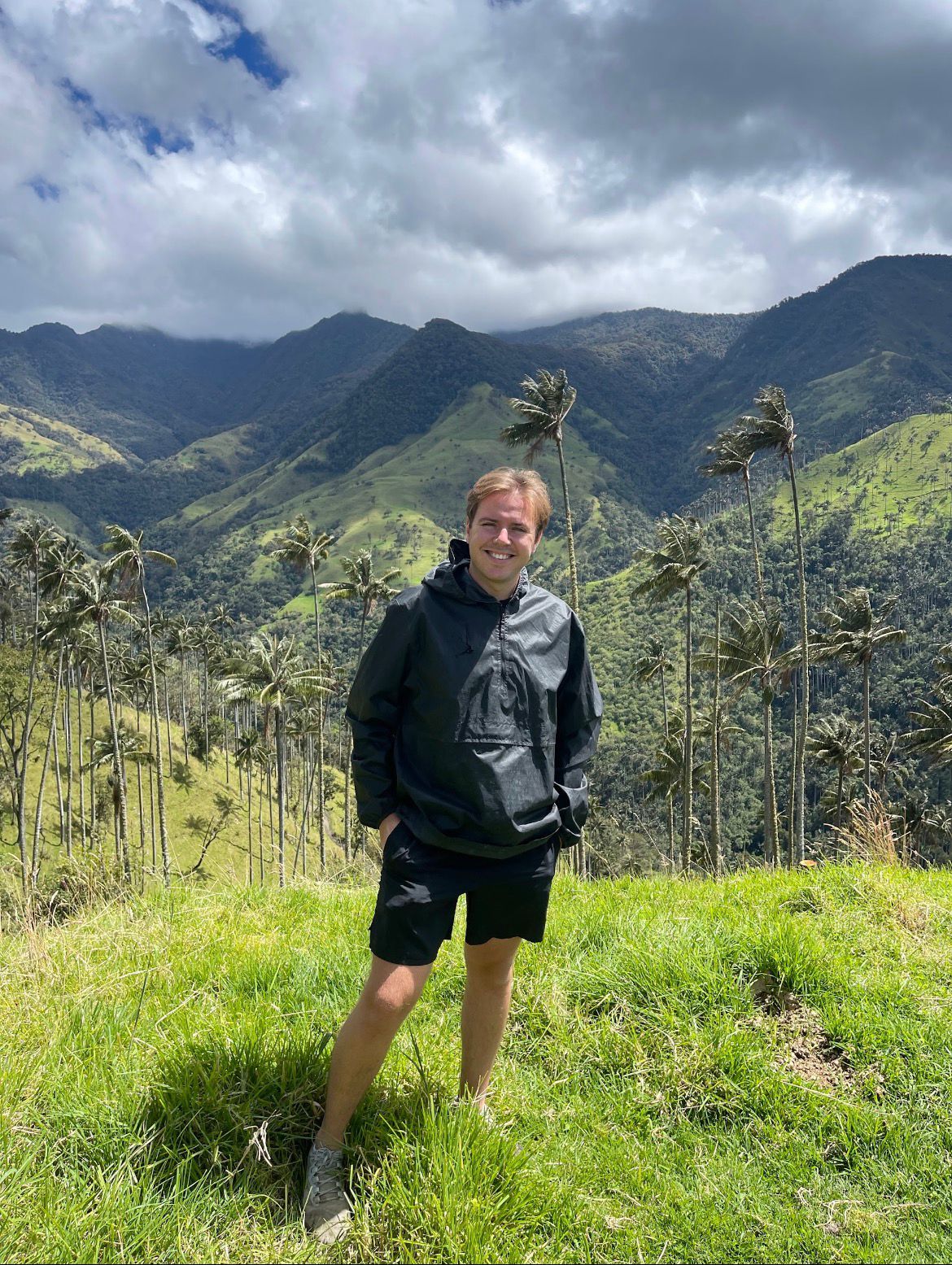
- A phrase that represents you: “Not having everything figured out is also a starting point”
- Favourite music: Jungle, Frank Ocean, Guitarricadelafuente and Bad Bunny
- Favorite place: Paris
- A book, movie, or series you recommend: Book: To Kill a Mockingbird by Harper Lee, for its human and critical perspective on justice and empathy. Movie: Coco by Disney Pixar, because it explores identity, memory and roots. Series: Severance, because it reflects on where work begins and ends and to what extent we give up control and consent in the name of productivity.
- A memory from your time at UIC Barcelona: I have fond memories of my graduation day at UIC Barcelona, the shared excitement among classmates and teachers and the feeling of closing a very important chapter to open many more in the future.