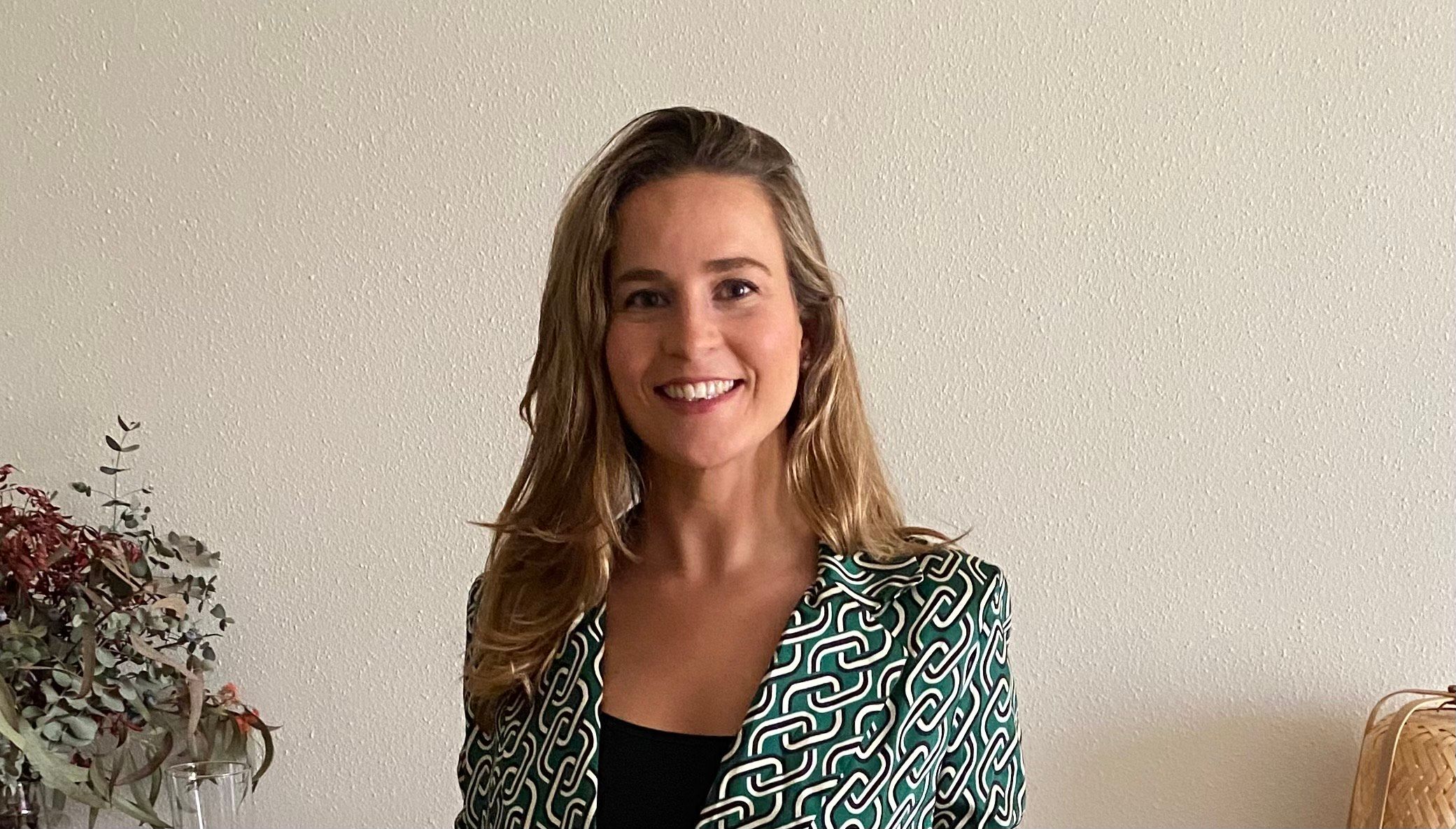
Gal·la Chabot
Nursing | 2023
Master's Degree in Urgent and Emergency Care | 2024
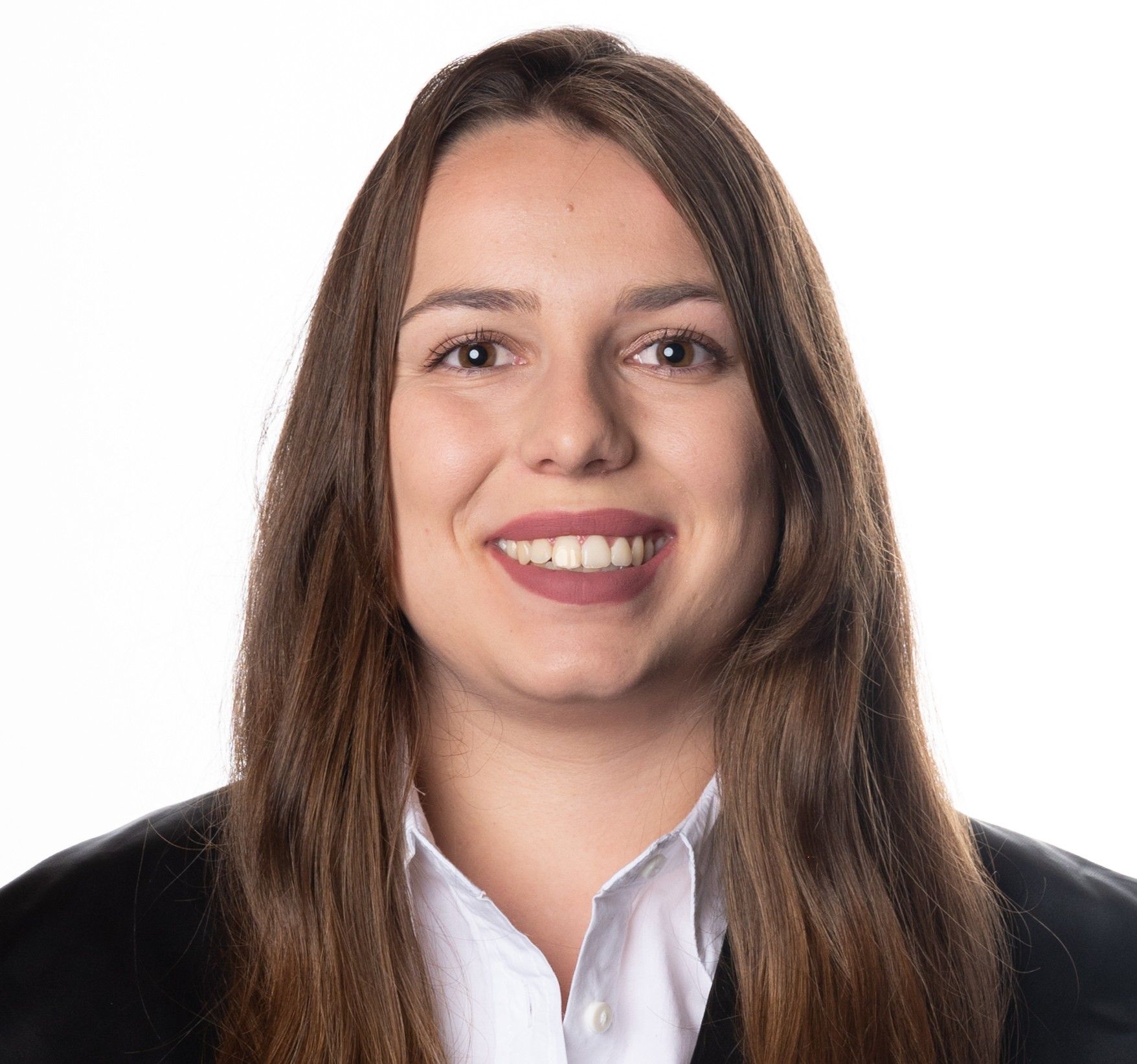
Gal·la Chabot
Nurse specialized in Emergency and Critical Care.
Nursing | 2023
Master's Degree in Urgent and Emergency Care | 2024
It’s a very rewarding job: even though many patients arrive scared, they leave knowing they will be able to return to what they used to do.
Gal·la Chabot (Nursing, 2023; Master’s Degree in Emergency and Urgent Healthcare, 2024) is a nurse specialized in Emergency and Critical Care. In this interview, she shares how her time at UIC Barcelona provided her with key tools for her professional development, the importance of human interaction with patients and their families and the lessons she has learned in different hospital environments. She also reflects on the essential technical and social skills required for her work, her perspective on technological evolution in nursing and her future plans in the healthcare sector.
- Who is Gal·la Chabot? How would you describe yourself and what motivates you in your daily life?
I am someone who has always been eager to take on the world, with a lot of ambition both personally and professionally. At first, I may seem reserved or serious, but deep down I have a big heart and a strong desire to help others.
In my daily life, I am motivated by spending time with my family and friends and by the desire to grow and learn a little more each day, without forgetting about others. Whenever I can, I love travelling and discovering new destinations.
- What lessons from your time at UIC Barcelona have been most important for your professional development?
UIC Barcelona taught me so much. I wouldn’t even know where to start. I started my Nursing degree just before turning 18. I arrived as a young woman who knew she wanted to work in healthcare, but without a realistic understanding of what that meant. I realised it during my first year, when the Covid pandemic began. I understood that being a nurse is not just about inserting IV lines or administering medication; it is also about caring for patients and their families during difficult times.
I think one of the most important things I learned at this university for my professional development is that patient care is paramount.
Of course, it was five years of training, as I also completed the University Master’s Degree in Urgent and Emergency Care. During the master’s, I learned a tremendous amount and acquired technical skills that have been invaluable. Additionally, since the programme is shared with Medicine, you gain technical terminology and knowledge that you might not get elsewhere.
- What aspects make your work in operating theatres most rewarding? And challenging?
In the operating theatre, I learn a different case every day; no two procedures are the same. That makes it challenging because you never know what will come through the door. Of course, the procedure is the same, but the patient is not, whether due to the medication they take, their anatomy, or simply their emotional state. However, it is very rewarding because when you take the time to speak with them and they share their story, you see that for a few months, during slightly complex surgeries, they have had to “pause” their lives, whether it’s due to a torn ligament or a heart problem. You realise that, even though many patients arrive scared, they all tell you they will finally be able to return to doing what they used to do.
Previously, I worked in the delivery room and combined it with the neonatal intensive care unit (NICU). It is nothing like the operating theatre. These units are the heart of a hospital; you tend to hear many more cries of happiness than of sadness. And that is very rewarding. Hearing a newborn’s first cry is the most beautiful thing I’ve ever heard and seeing happy parents… it’s indescribable. For a few moments, you share with two strangers what is probably one of the most special moments of their lives, and you cannot explain it until you experience it. I would say the NICU is somewhat similar. The moments are tougher, of course, because no one wants to be there. But love is everywhere. Parents, nurses, healthcare assistants and paediatricians are all giving their best for little ones who do not even know what is happening.
At the same time, a few months ago I started working with the Red Cross Emergency and Preventive Services team. There, we provide medical assistance to people who need healthcare support during events, and it is very rewarding work. In addition, there are many of us with very different backgrounds, as some volunteers have other professions and take part in these events on a voluntary basis. This allows you to meet many new people whose life stories are completely different from your own. It is a very different kind of work from working in a hospital, because you never know what might happen.
- Which skills do you consider essential for working effectively in maternity and neonatal care?
The essential skills are correct technical skills, because you need to be very precise; you are working with some of the most fragile patients. Social skills are also crucial, such as kindness, understanding and empathy. Without them, it is very difficult to work as a nurse. And not just in caring for mothers and newborns, but in any unit.
- In a rapidly evolving environment with new tools and technologies, what role do they play in your professional practice?
Fortunately, my professional practice remains largely the same. We still need two hands and a voice to perform our work. We do not rely as much on new technologies, like a doctor conducting a consultation by phone. One day, perhaps robots will replace us to perform tasks like extractions, but for now, I hope that doesn’t happen. Because one of the most beautiful aspects of nursing is being at the bedside, speaking with every person we meet throughout our day.
- Which areas of nursing would you like to explore or deepen in the future?
In the future, I would like to join the Catalan Medical Emergency System (SEM). To achieve that, I first need to gain a great deal of experience. That is why I am currently in a period of transition: in just a few days, I will be changing jobs and starting at a new hospital in the Emergency Department. It is a new challenge that I am taking on with great enthusiasm and motivation.
That said, I am open to exploring different opportunities. I consider myself fortunate because I have enjoyed every department where I have worked or completed clinical placements. However, if I had to choose, I would say that I am particularly interested in specialized services.
At the same time, healthcare management is becoming increasingly appealing to me. It is a field that has recently sparked my interest, and I would not rule out dedicating myself to it in a few years' time, either as my main focus or alongside another professional role.
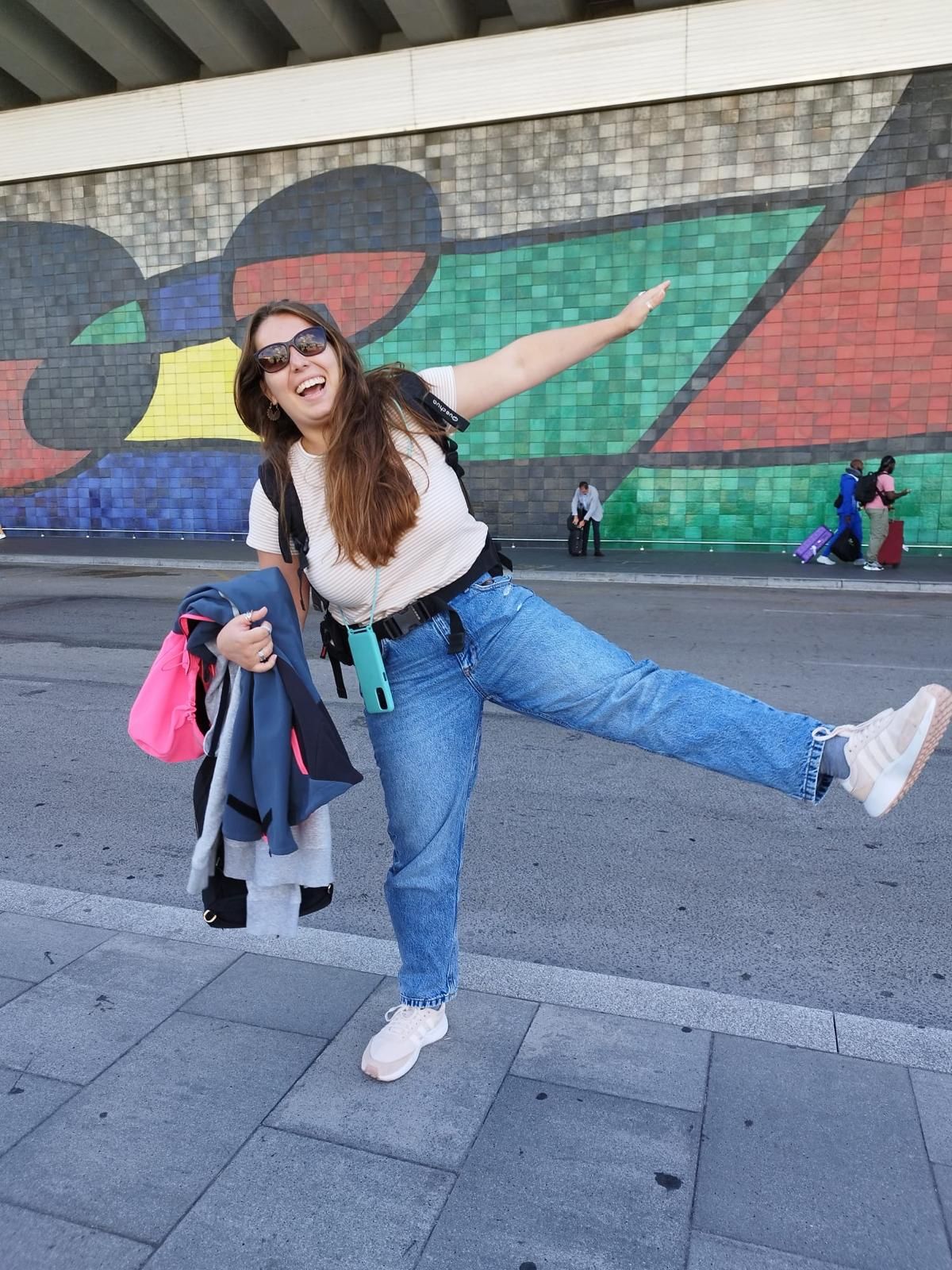
- A phrase that represents you: Live life as if it were your last day.
- Your favourite music: I don’t have a favourite song. I listen to everything.
- Your favourite place: Far de Favàritx, Menorca, watching the sunrise.
- A book, movie, or series you recommend: Pearl Harbor.
- An anecdote from your time at UIC Barcelona: Without doubt, my best memory is when almost the entire class went to a house in the country in the fourth year and we enjoyed a weekend together.
During the pandemic at university, there were only three of us in class because we were doing practical work at the Hospital in the afternoon. I had never seen the university so empty and I hope never to see it like that again.