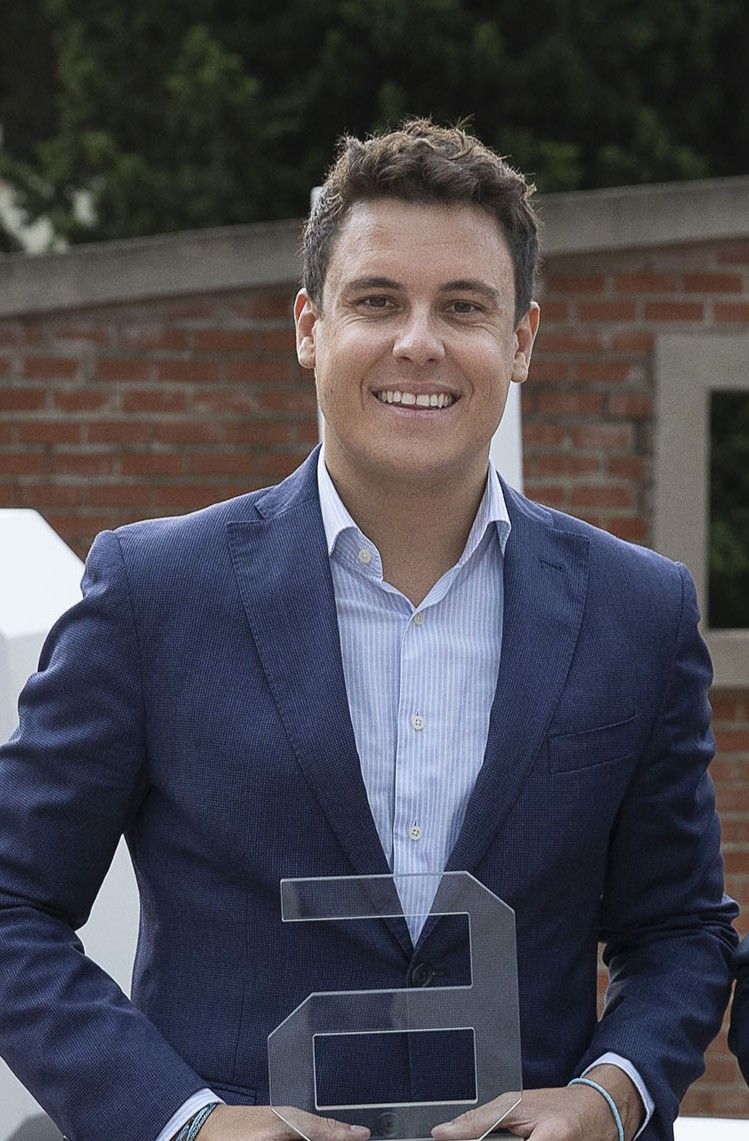
José Nart
Dentistry | 2001
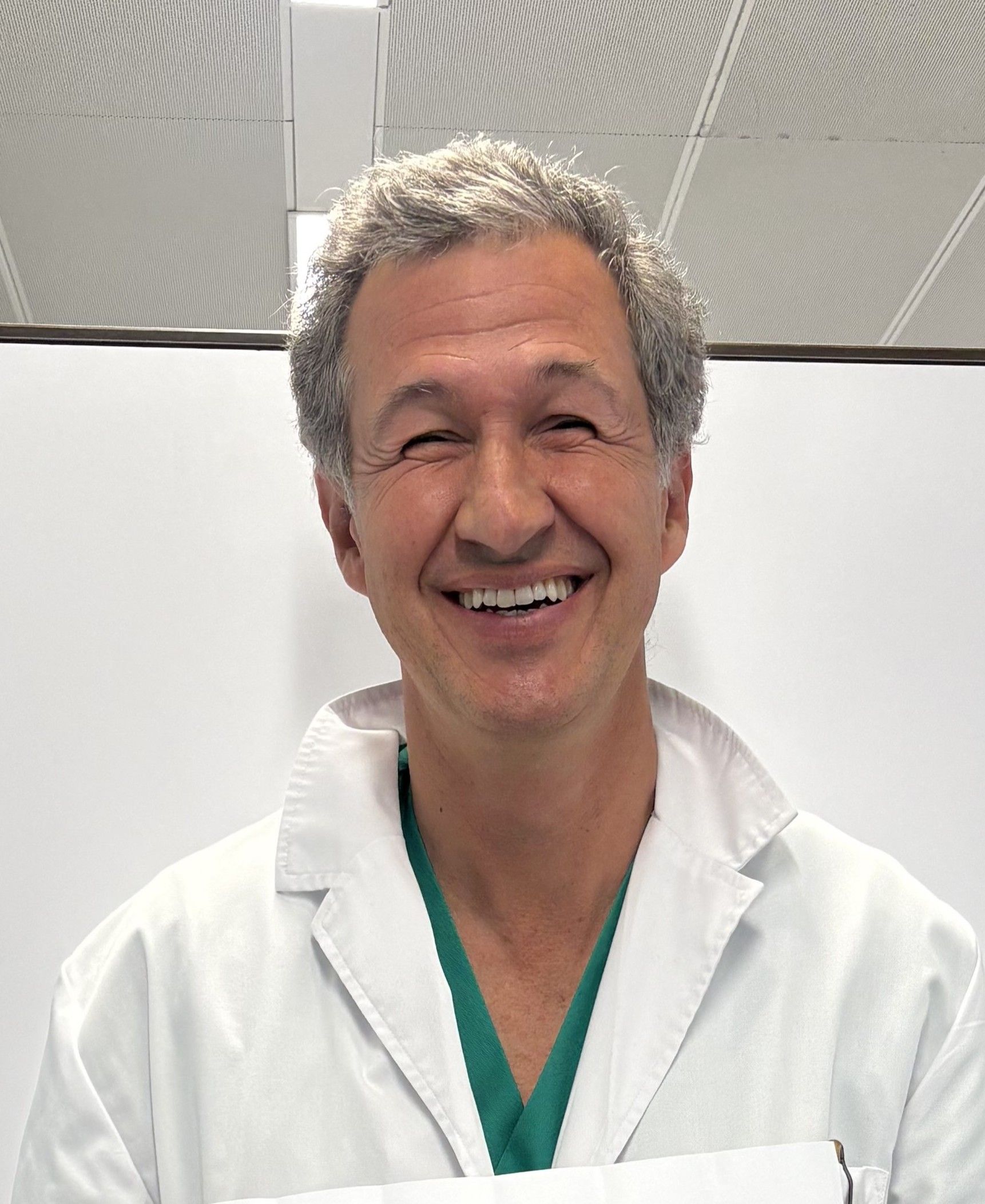
Serving as President SEPA for three and a half years was one of the greatest professional honours a periodontist can achieve
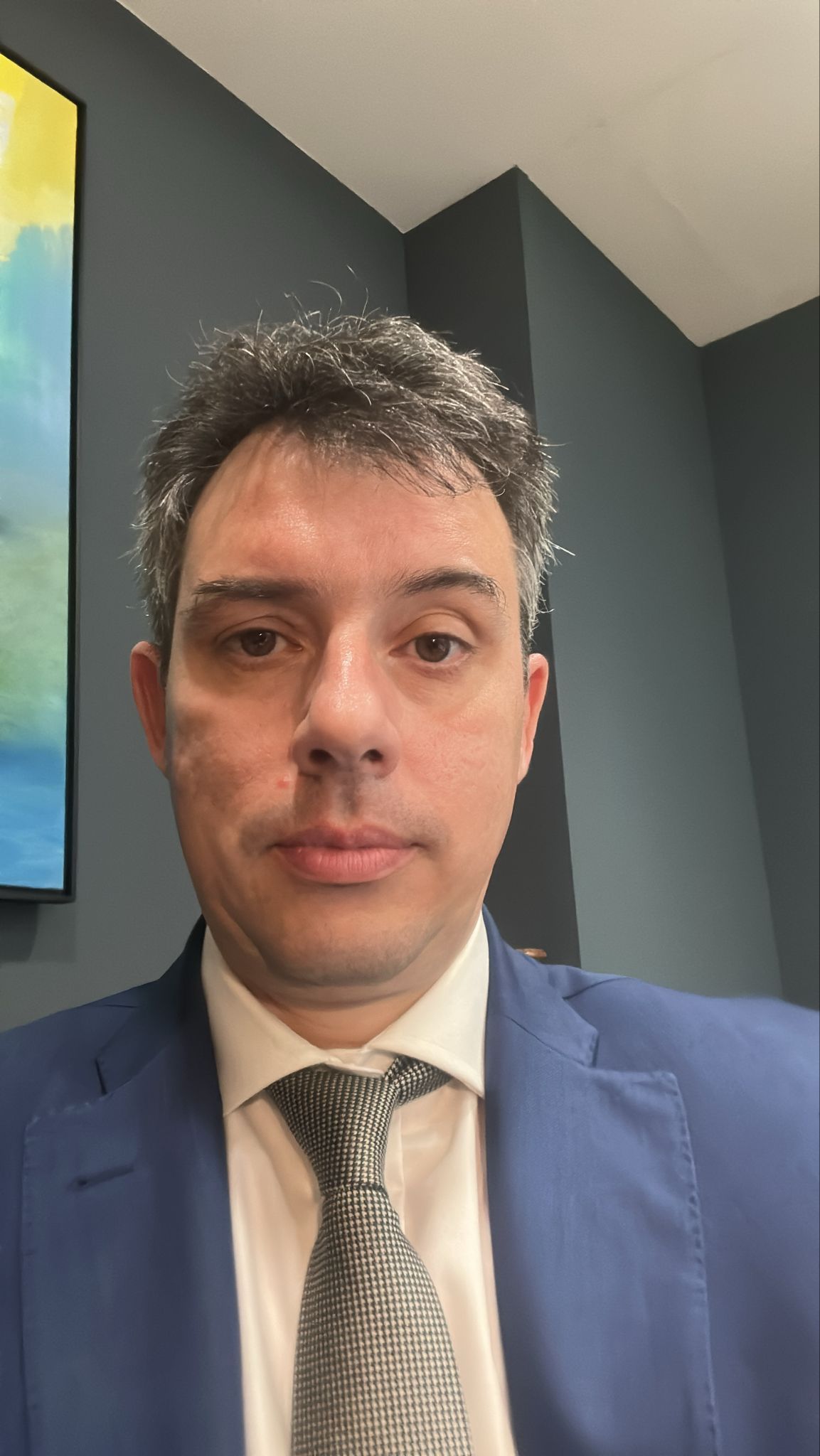
José Nart (Dentistry, 2001) is a professor of Periodontology at UIC Barcelona, head of the Periodontology area, and director of the Master’s Degree in Periodontology and Implants, accredited by the European Federation of Periodontology. A leading international figure in dental research and scientific dissemination, in this interview he shares his professional career, key lessons from his connection with UIC Barcelona, his perspective on how the profession has evolved and the current challenges of academic and scientific leadership in dentistry.
- Who is José Nart? How would you describe yourself and what motivates you in your daily life?
I am currently a professor of Periodontology at the Faculty of Dentistry (since June 2024), head of Periodontology, and director of the Master’s Degree in Periodontology and Implants, accredited by the European Federation of Periodontology (EFP) since 2010. I am ranked in the top 2% of Stanford and Scholar GPS rankings as one of the most influential scientists in dentistry and I am among the 20 most cited Spanish dentists.
I am a periodontist who is passionate about our profession, loves sharing scientific knowledge and is motivated by improving oral health in our society, with all the systemic benefits this also entails.
- What lessons from your time at UIC Barcelona have been most important for your professional development?
The Faculty of Dentistry at UIC Barcelona and I have grown together. I graduated in Dentistry from UIC in 2001, in its very first graduating class. We share the same values and mission, which is why we complement each other and work as a team naturally.
The greatest lesson has been to think big, set no limits for ourselves and be ambitious in our dreams (as Miquel Cortada and Lluís Giner said). After 25 years, the results are speak for themselves. We would certainly have signed up for them back then. Today, we are more aware of our capabilities and reaffirm our ambitions to lead dentistry.
- How do you remember your first steps in the world of dentistry?
I remember them very clearly, as I was surrounded by family, alongside my father and uncle. I also remember making the most of all the theoretical and practical classes and, during my fourth year, attending continuing education courses, conferences and even working with patients. In other words, I seized every opportunity that came my way..
- How has the dental profession changed from when you graduated to today?
As with most scientific and healthcare disciplines, the change over these 25 years has been remarkable. This is mainly due to advances in diagnostics, the precision provided by digitalisation and therapeutic shifts toward minimally invasive approaches. All of this has been driven by technological innovation with the patient at the centre.
- You have recently completed your term as President of SEPA. What challenges and lessons have you learned from this leadership role ?
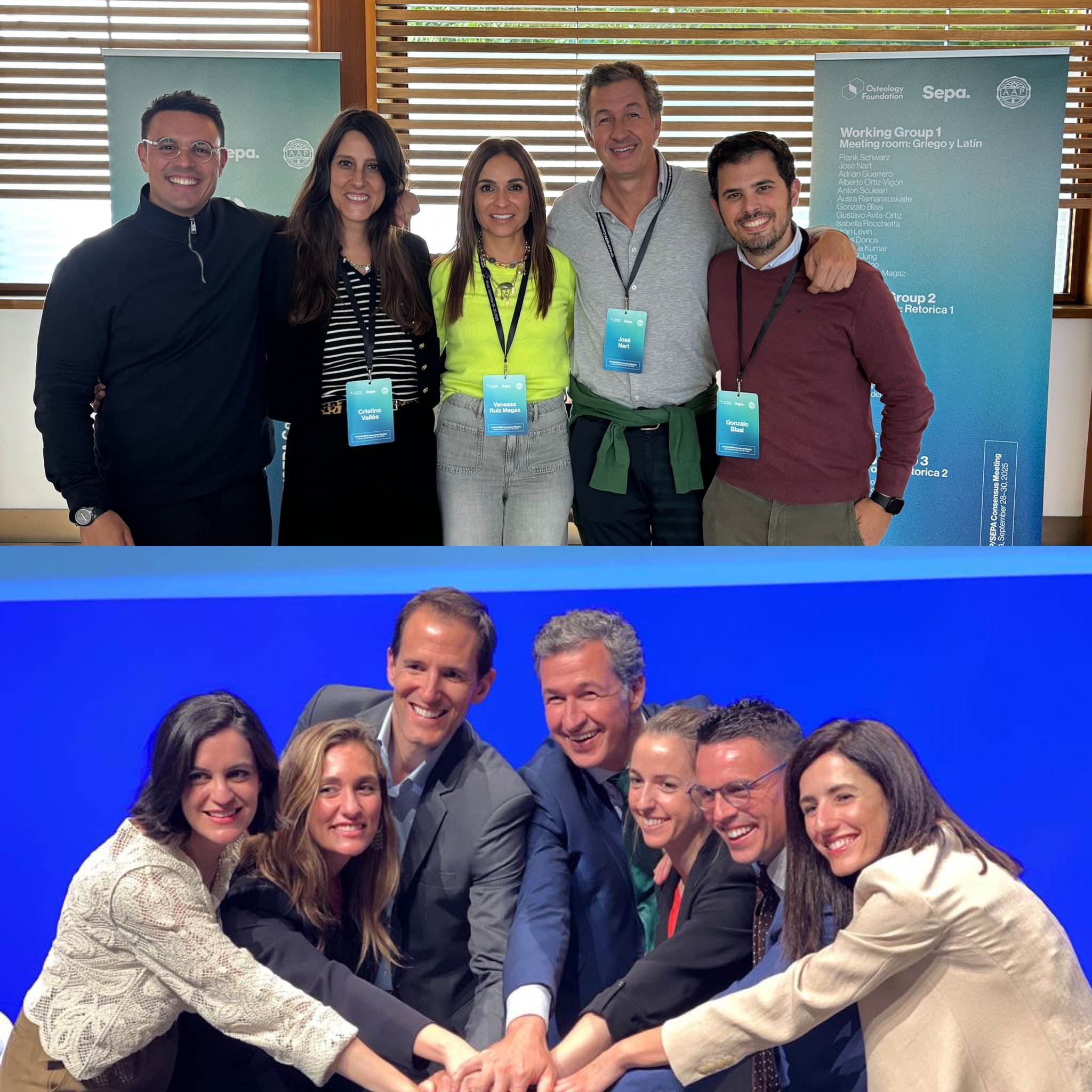
Serving as President SEPA for three and a half years was one of the greatest professional honours a periodontist can achieve. Today, SEPA is a leading international scientific society, with outstanding initiatives in scientific dissemination and activity. I have devoted the last nine and a half years of my career to SEPA and, without doubt, I have grown both personally and professionally thanks to the society’s legacy, the human and professional teams I have worked with, and the impact it has on society. Gum health is truly relevant.
- You are now taking on the role of vice-president of the College of Dentists and Stomatologists of Catalonia. What specific challenges in the dental sector do you expect to address in this new role?
The COEC is an institution that deserves more and must offer more to Catalan and Spanish dentistry. I take on this role with the aim of establishing a top-level scientific continuing education programme, promoting oral health among the population, achieving recognition for dental specialties, and, if possible, ensuring dental practice is based on scientific evidence with the highest consideration for the patient.
- A phrase that represents you: If you’re not giving, what are you waiting for?
- Your favourite music: Spanish pop in general.
- Your favourite place: Barcelona and Menorca.
- A film or series you recommend: Life Is Beautiful.
- An anecdote from your time at UIC Barcelona: Countless ones… but giving lectures around the world and having my name recognised and associated with UIC Barcelona is a dream come true.