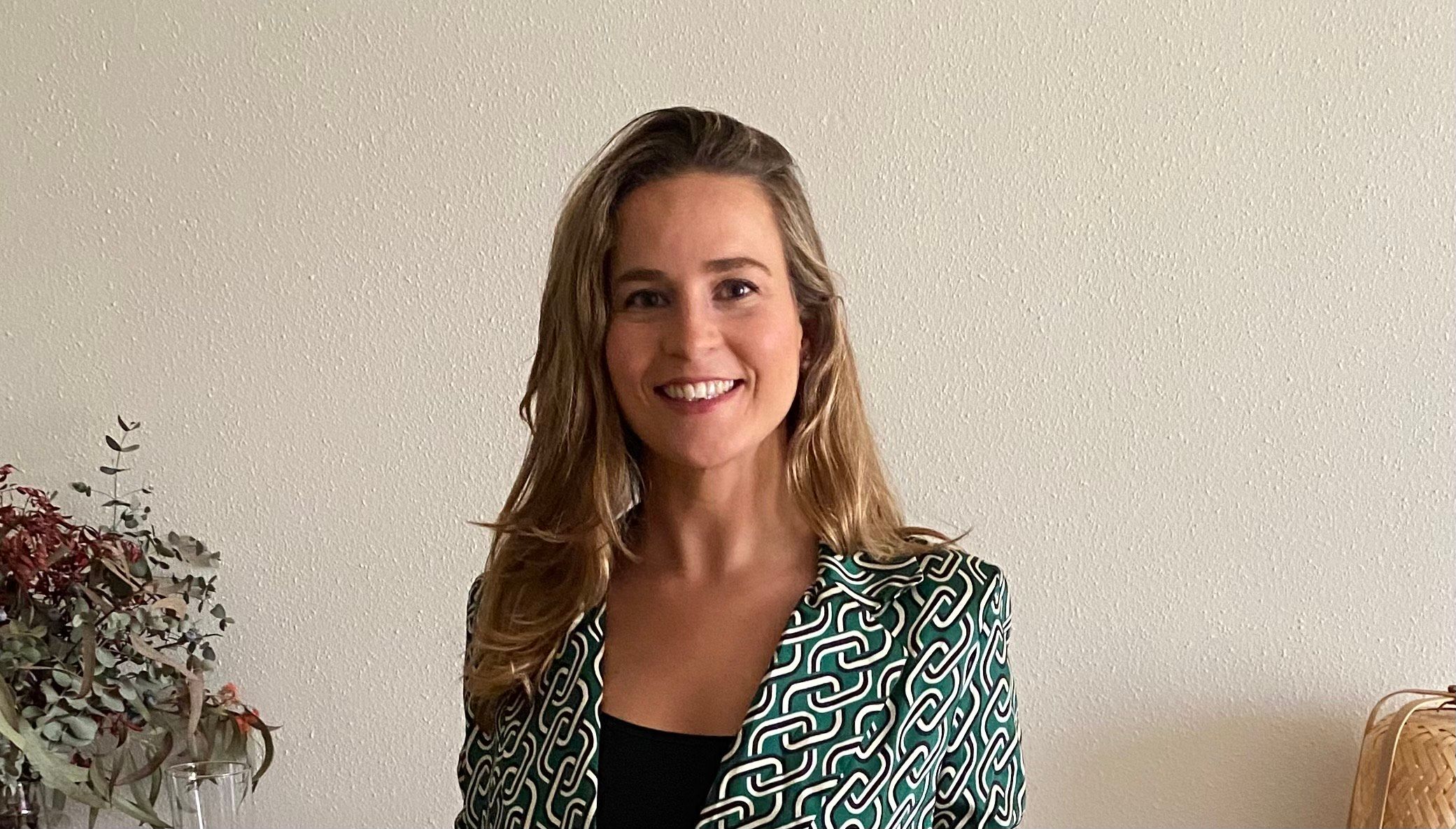
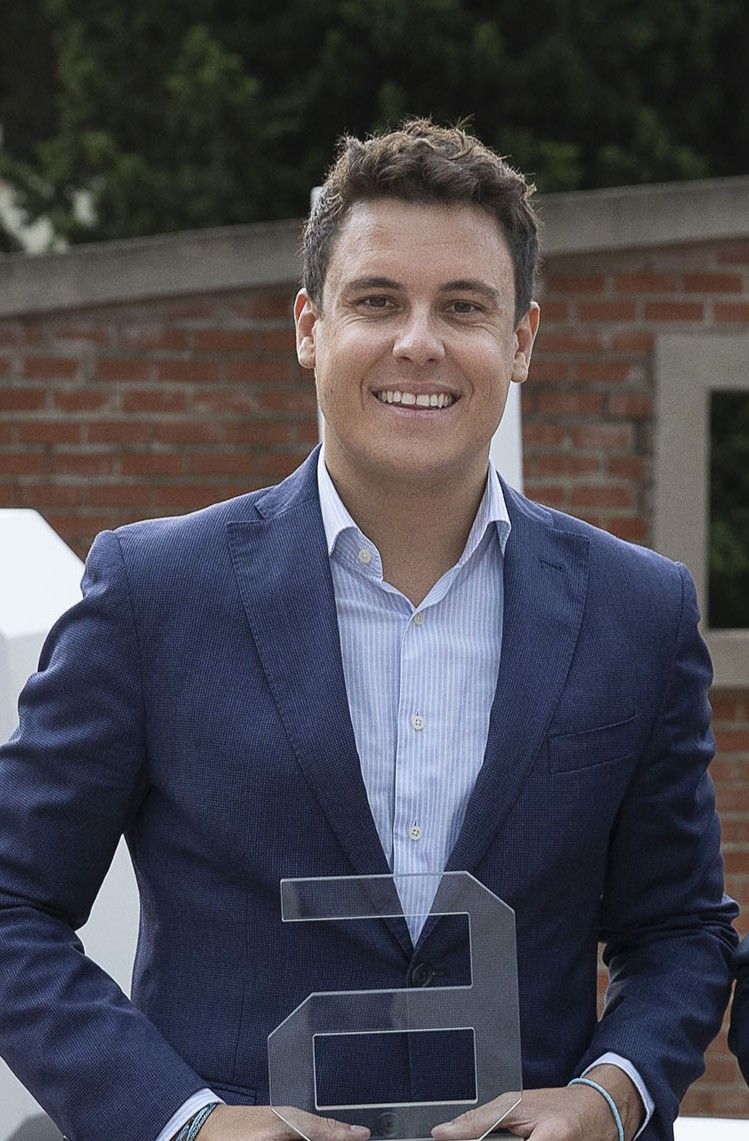
Marina Serena
Bioengineering | 2021

Young professionals are essential: they bring fresh perspectives, motivation and a strong willingness to learn and contribute
Marina Serena (Bioengineering, 2021) combines her interest in technology and healthcare through research projects with a direct impact on patients and society. In this interview, she shares her perspective on strategic management in hospital settings, the challenges of biomedical innovation and the role of young professionals in transforming the sector.
- Who is Marina Serena? How would you define yourself, and what motivates you in your day-to-day work?
Marina Serena is a proactive person, passionate about both technology and healthcare. What motivates me every day is knowing that, through research, I can contribute to improving the quality of life of patients and society as a whole.
- What lessons from your time at UIC Barcelona have been most important for your professional development?
I believe that studying such a wide range of subjects gave me a solid technical foundation to understand multiple mechanisms, while also providing me cross-cutting skills that I apply in different areas of my professional career, such as ethics, regulation, entrepreneurship and management.
- What inspired you to focus your career on strategic management within the field of biomedical research?
As you gain experience across different departments in a healthcare institution, you come to realise that without clear direction, progress is difficult. Without a defined plan, it is hard to chart a path forward. That is why I believe that setting clear objectives is essential for an organisation to achieve meaningful results.
- What are the main challenges when driving innovation or strategy in a large hospital setting?
Sadly, securing the resources needed to carry out high-potential projects is often difficult. Financial constraints and regulatory requirements can delay initiatives that could otherwise be developed more efficiently.
- How do you think young professionals can contribute to transforming research and innovation within large healthcare institutions?
Young professionals are essential: they bring fresh perspectives, motivation and a strong willingness to learn and contribute. In research, senior staff usually lead and coordinate studies, while younger professionals handle the day-to-day work and drive projects forward. The same applies to innovation.
- What challenges does the bioengineering sector face as technology and research continue to advance?
Bioengineering must remain closely connected to the latest scientific advances in order to translate new developments into clinical practice. It is a rapidly evolving field, and the ability to adapt when technologies become obsolete is essential.

- A phrase that represents you: Every day you choose who you want to be.
- Your favourite place: Barcelona.
- A book, movie or series you would recommend: Wild Animal, by Joël Dicker.
- An anecdote from your time at UIC Barcelona: So many! I especially remember the initiation activities we organised for the new students from the next graduating class. We had a great time, and in the end, everyone took part in the games.